 EN-US
EN-US  ZH
ZH 
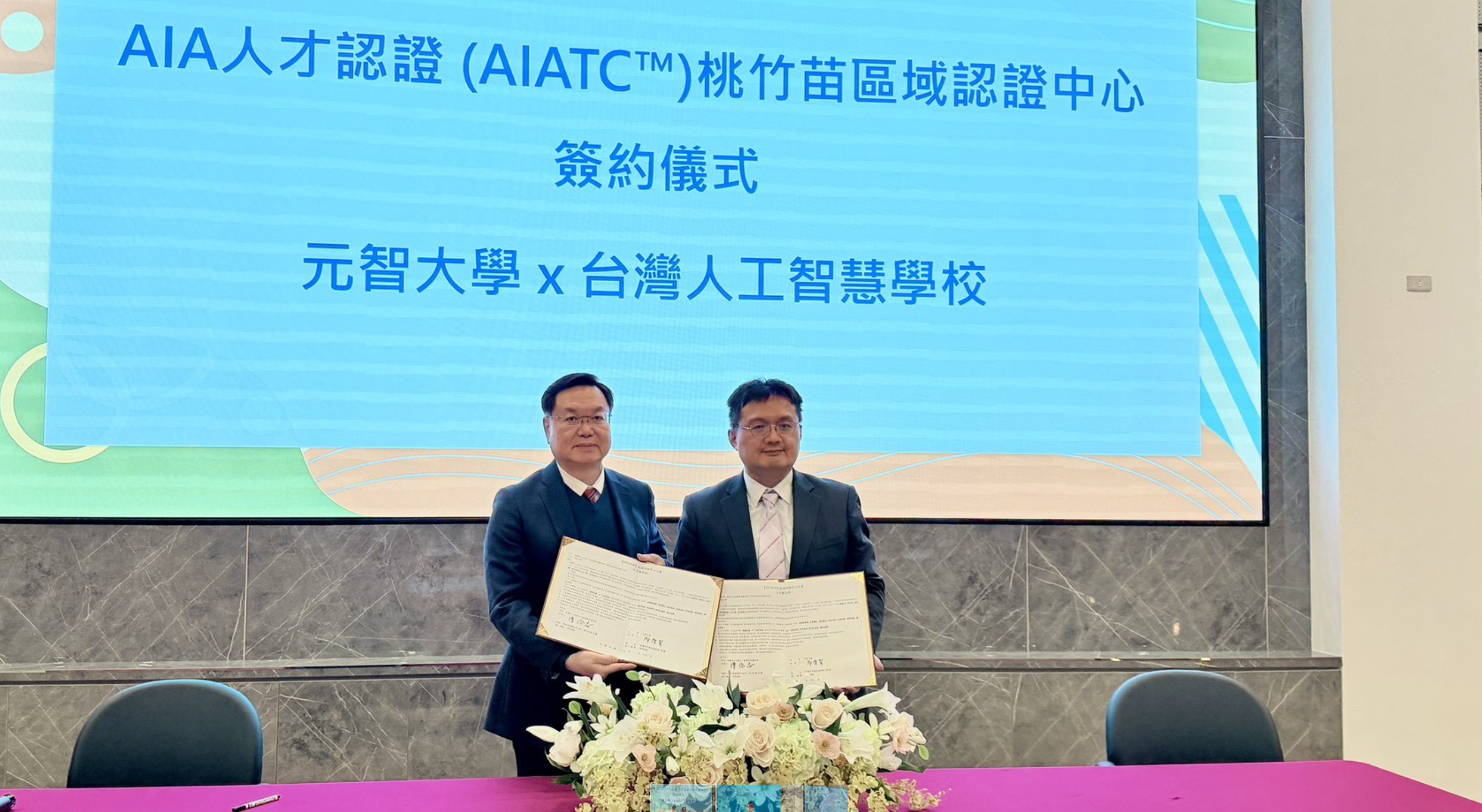
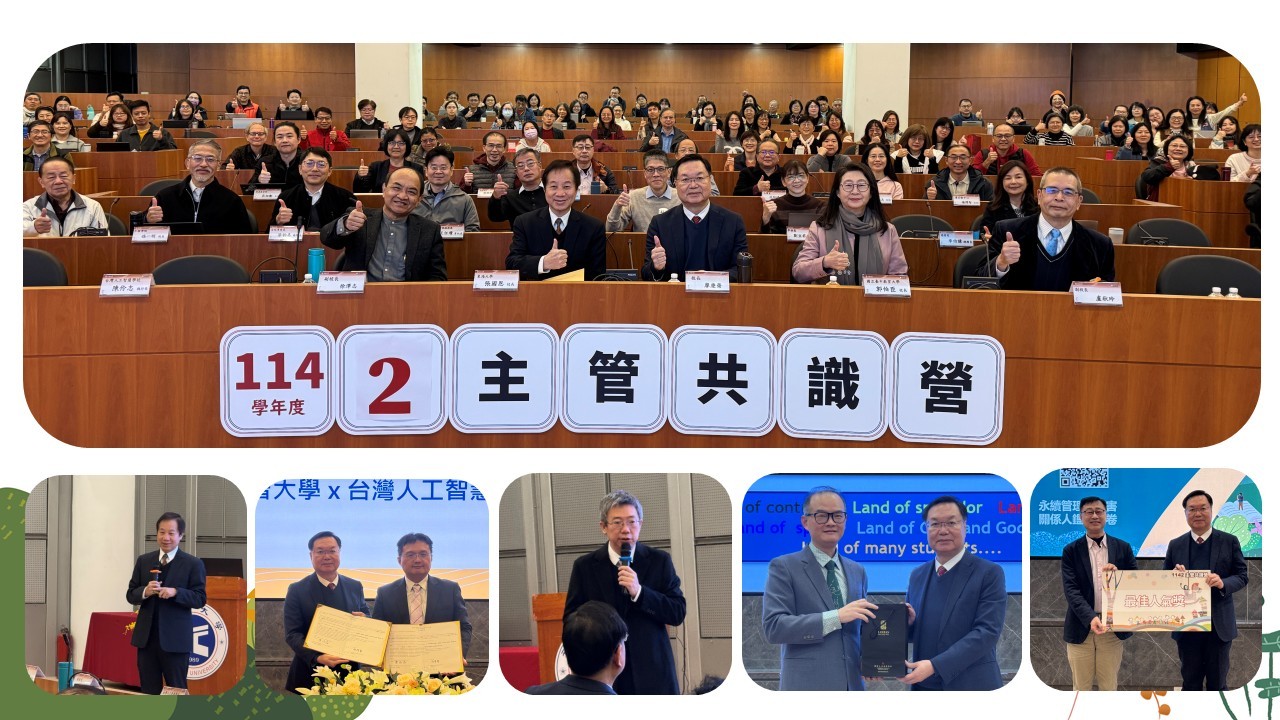
As generative AI rapidly reshaped the workplace, “basic AI judgment literacy” had become an indispensable core competency across all industries. On January 13, 2026, during a university-wide leadership consensus camp, Yuan Ze University officially signed a Memorandum of Understanding with the Taiwan AI Academy (AIA), announcing the joint establishment of the “AIA Talent Certification (AIATC™) Taoyuan–Hsinchu–Miaoli Regional Certification Center.”
The partnership aimed to prioritize the promotion of AI literacy and professional competency certifications specifically designed for Taiwan’s workforce, including the Literacy Level (AIATCL™), Engineering Level (AIATCE™), and Management Level (AIATCM™). This initiative helped working professionals pursue upskilling and reskilling to enhance their career competitiveness.
In his address, President Ching-Jung Liao of Yuan Ze University stated that the advancement of artificial intelligence should not be confined to a small group of technical specialists, but should instead become a core digital literacy shared by all administrators and staff. Through this collaboration, the university promoted the adoption of AI knowledge and practical applications across administrative and teaching units without requiring programming skills. He expressed the hope that all university leaders would obtain AIA certification, positioning Yuan Ze University to become the first higher education institution in Taiwan to achieve full AIA certification.
Yuan Ze University further explained that the most distinctive feature of the AIATCL™ certification was that it did not require programming skills and was not oriented toward the operation of specific tools. Instead, it focused on core AI concepts, practical application understanding, and risk and ethical judgment in AI usage, emphasizing “understanding AI and making informed judgments” rather than “writing code.” The examination was conducted in Chinese, making it particularly suitable for professionals in marketing, planning, human resources, editing, and project management who did not have engineering backgrounds. It helped establish a solid foundation for communication and decision-making in cross-departmental collaboration and AI project discussions.
The university also noted that the certification had already been widely adopted in corporate and government training programs and enjoyed a high level of credibility. As the regional promotion base for Taoyuan, Hsinchu, and Miaoli, Yuan Ze University would provide comprehensive administrative support and professional testing facilities, significantly improving public access to certification. The initiative would also assist enterprises in addressing the challenge of identifying AI talent, further strengthening industry–academia collaboration and regional talent development.
Through joint branding and promotional activities, both parties sought to help more professionals build critical judgment capabilities in the AI era and become highly sought-after talents for employers. The cooperation agreement was signed by Ling-Chih Chen, Executive Director of the Taiwan AI Academy, and Ching-Jung Liao, President of Yuan Ze University, symbolizing their shared commitment to advancing AI literacy education and workplace applications and to jointly promoting talent cultivation.