
 EN-US
EN-US  ZH
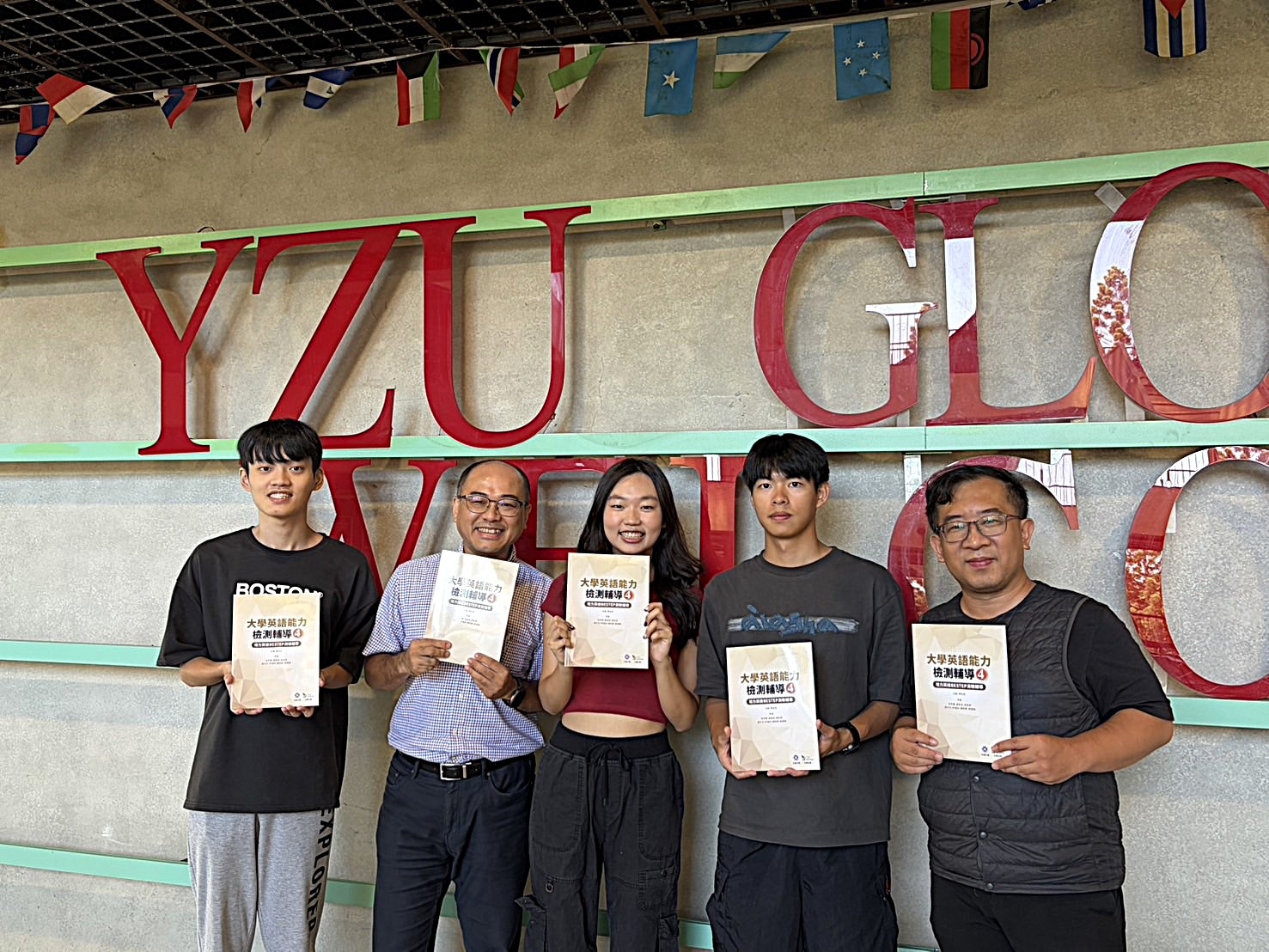
ZH From building a strong foundation in English proficiency during the freshman year to preparing students for English as a Medium of Instruction (EMI) courses in their sophomore year, Yuan Ze University had continued to establish an English-learning environment that strengthened students’ international competitiveness. To further enhance students’ English proficiency, the International Language and Culture Center (ILCC) published University English Proficiency Test Preparation 4: BESTEP Preparation Guide in September 2026 by drawing upon the extensive teaching experience of its English faculty.
Campus News
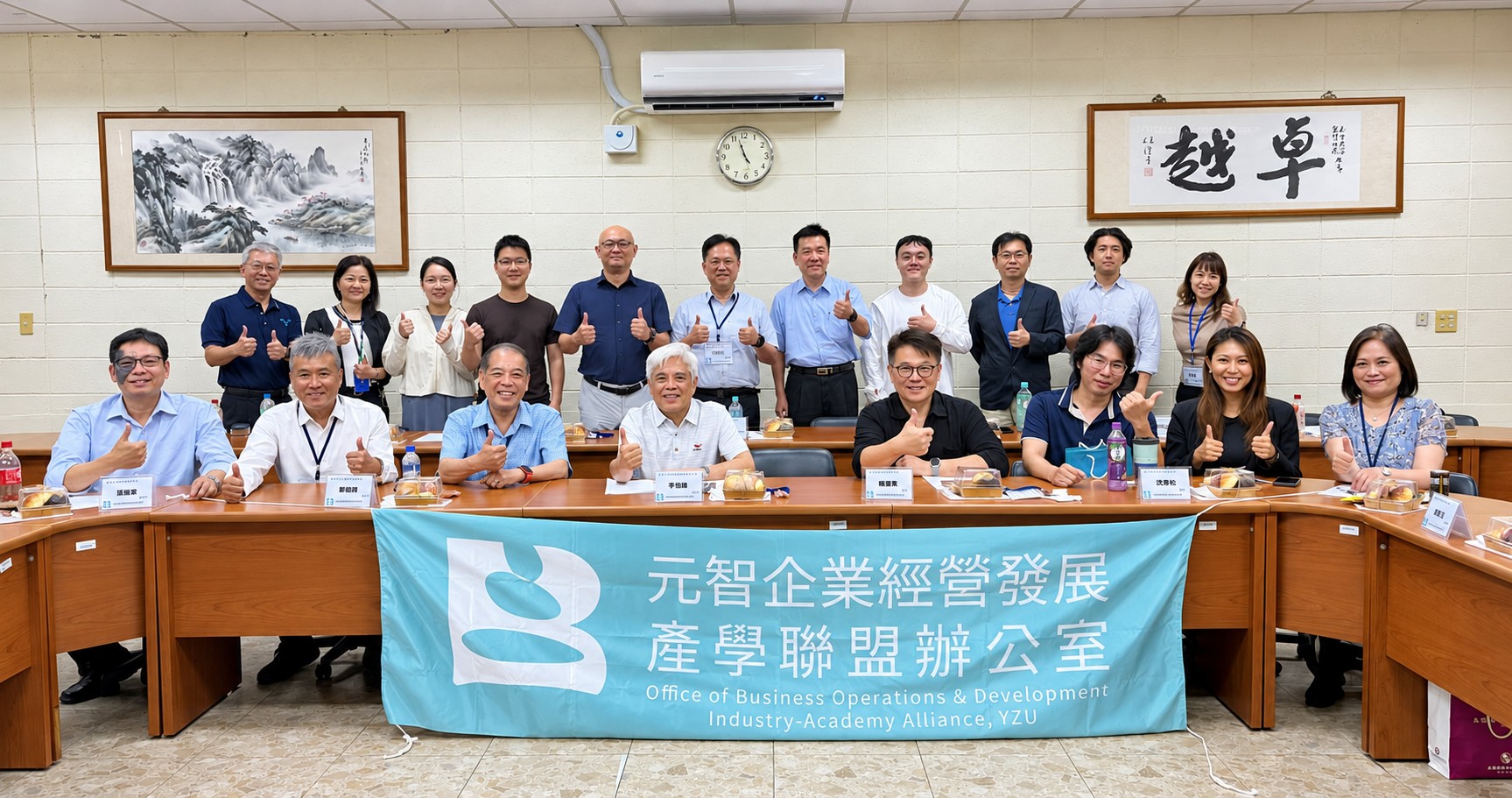
As generative artificial intelligence continued to evolve rapidly, enterprises’ expectations of AI gradually shifted from text generation and information retrieval toward AI Agents capable of understanding corporate data, connecting systems, and executing tasks. The Industry-Academia Alliance for Business Management Development at Yuan Ze University hosted a seminar and demonstration titled “Applications of Agentic AI in Business Operations and Management” on September 18.
Yuan Ze University once again achieved outstanding results in the 2026 Academic Year University Admissions Distribution program, reaching full enrollment with zero vacancies for the second consecutive year. The achievement not only reflected the effectiveness of the University's talent cultivation strategies but also demonstrated the strong recognition and trust that students and parents had placed in its educational vision.
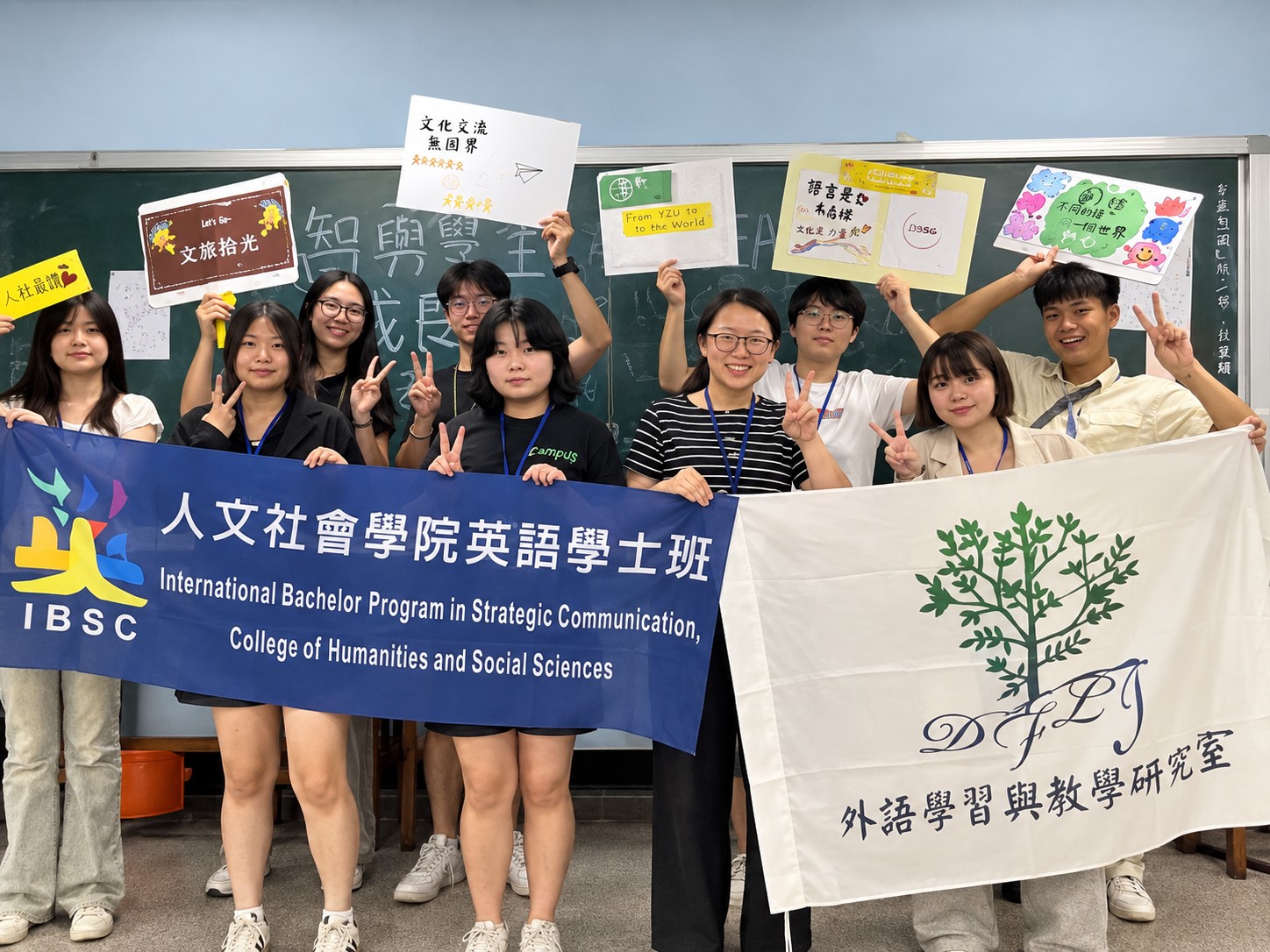
Students from Yuan Ze University demonstrated the power of youth engagement by bringing their knowledge and expertise to rural schools. Led by Li-Chen Kuo, a student of the International Bachelor Program in Strategic Communication under the College of Humanities and Social Sciences at Yuan Ze University, and Wei-Jung Chien from Wenzao Ursuline University of Languages, the PLEA Rural Education Team traveled to Liulin Elementary School in Shuishang Township, Chiayi County, during the summer break.
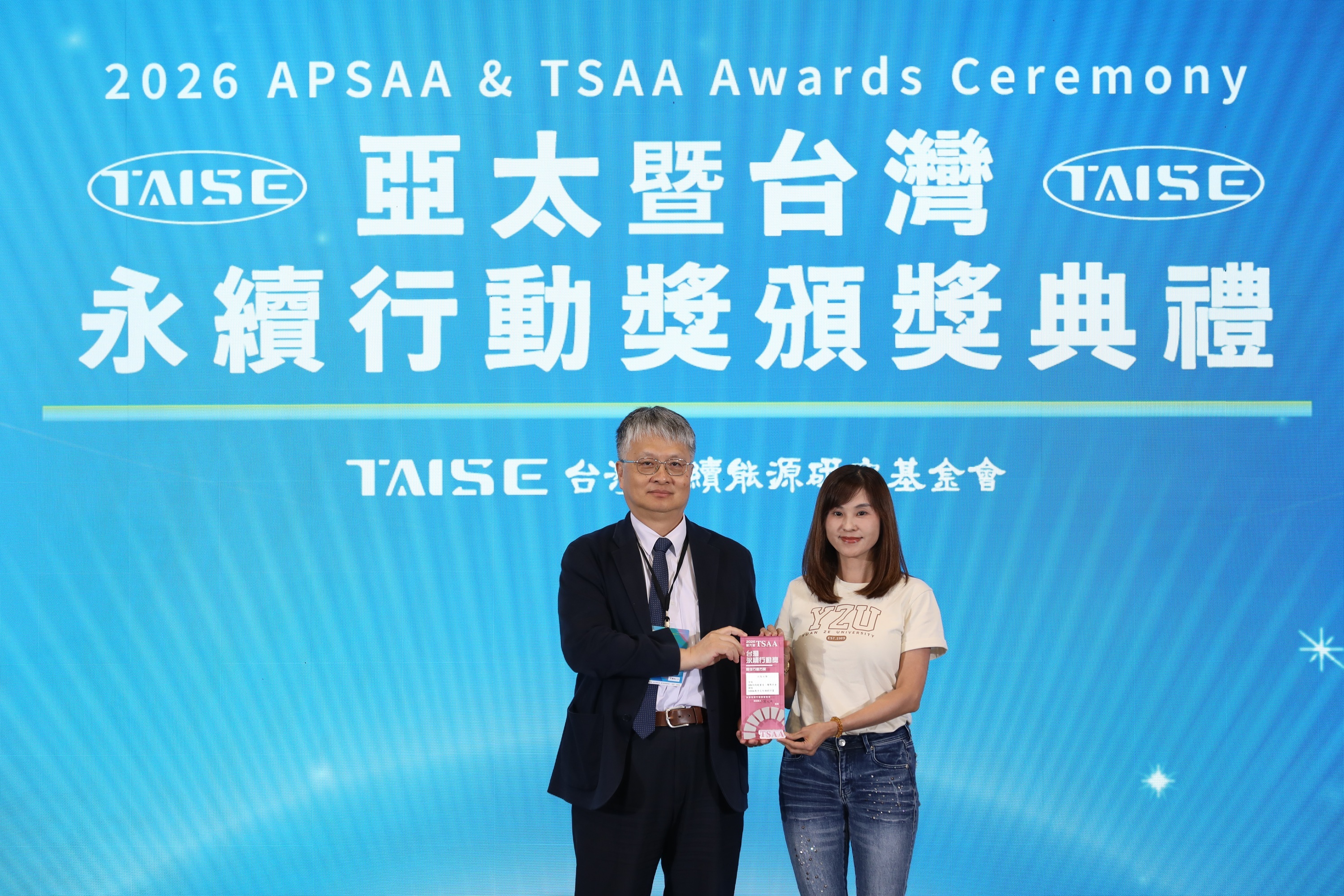
From rescuing endangered aquatic plants to bringing global cultures into rural classrooms, faculty members and students at Yuan Ze University applied their expertise to address real social needs. At the 6th Taiwan Sustainability Action Awards (TSAA) 2026, the project “Reviving Extinction: The Germplasm Ark” received a Gold Award, while the Global Cultural Initiative received a Bronze Award. One project focused on ecological conservation, while the other promoted educational inclusion. Together, they demonstrated how Yuan Ze University transformed classroom learning into meaningful social practice.
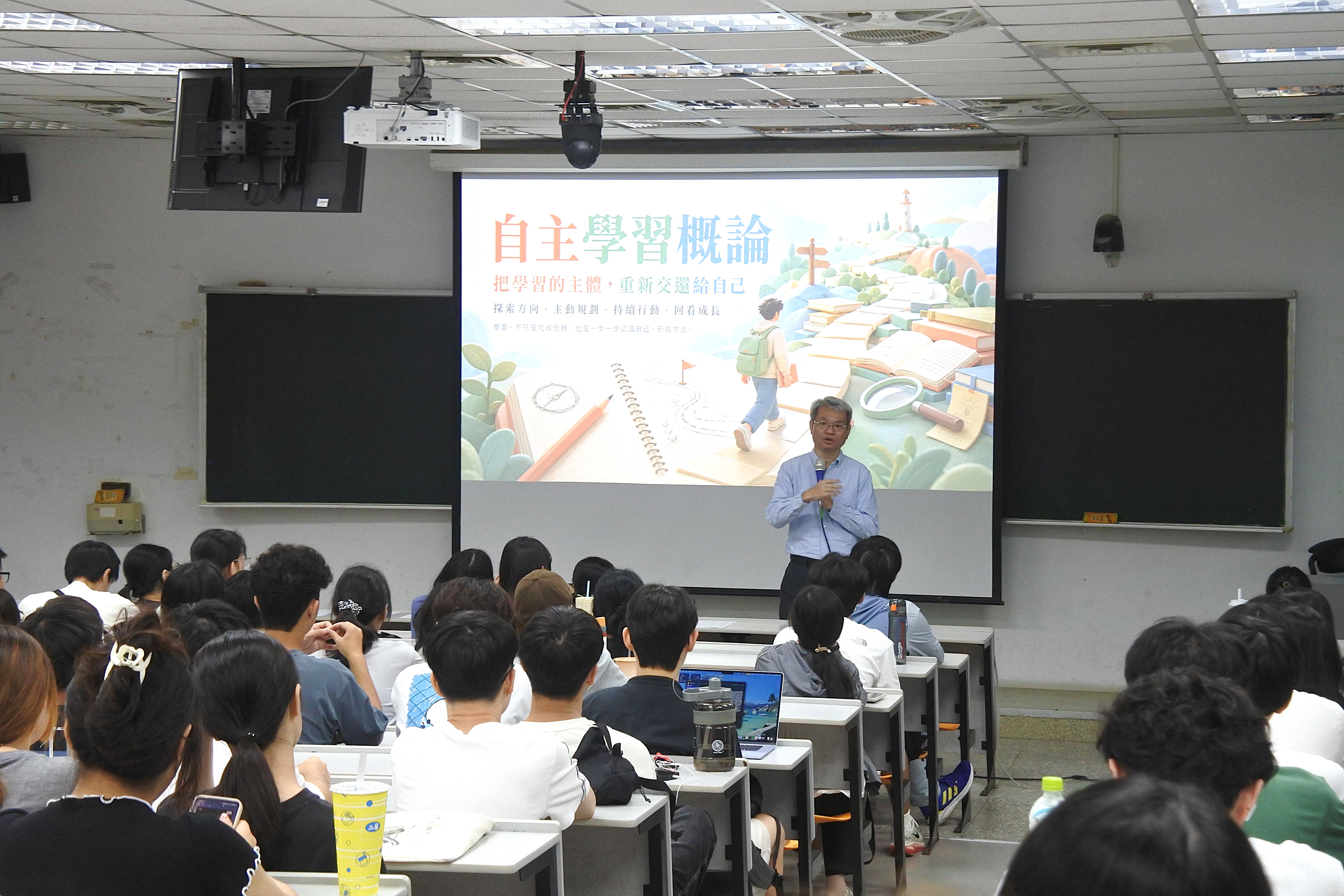
Entering university is no longer simply about following a prescribed curriculum. More importantly, students must discover the areas they genuinely wish to explore. As part of Yuan Ze University's Freshman Launch Program, a series of orientation activities, the College of General Studies offered three “Introduction to Self-Directed Learning” micro-courses that concluded on September 4. The courses guided freshmen through self-discovery, goal setting, and action planning, encouraging them to become the architects of their own learning journeys and take the first step toward independent exploration during their university years.
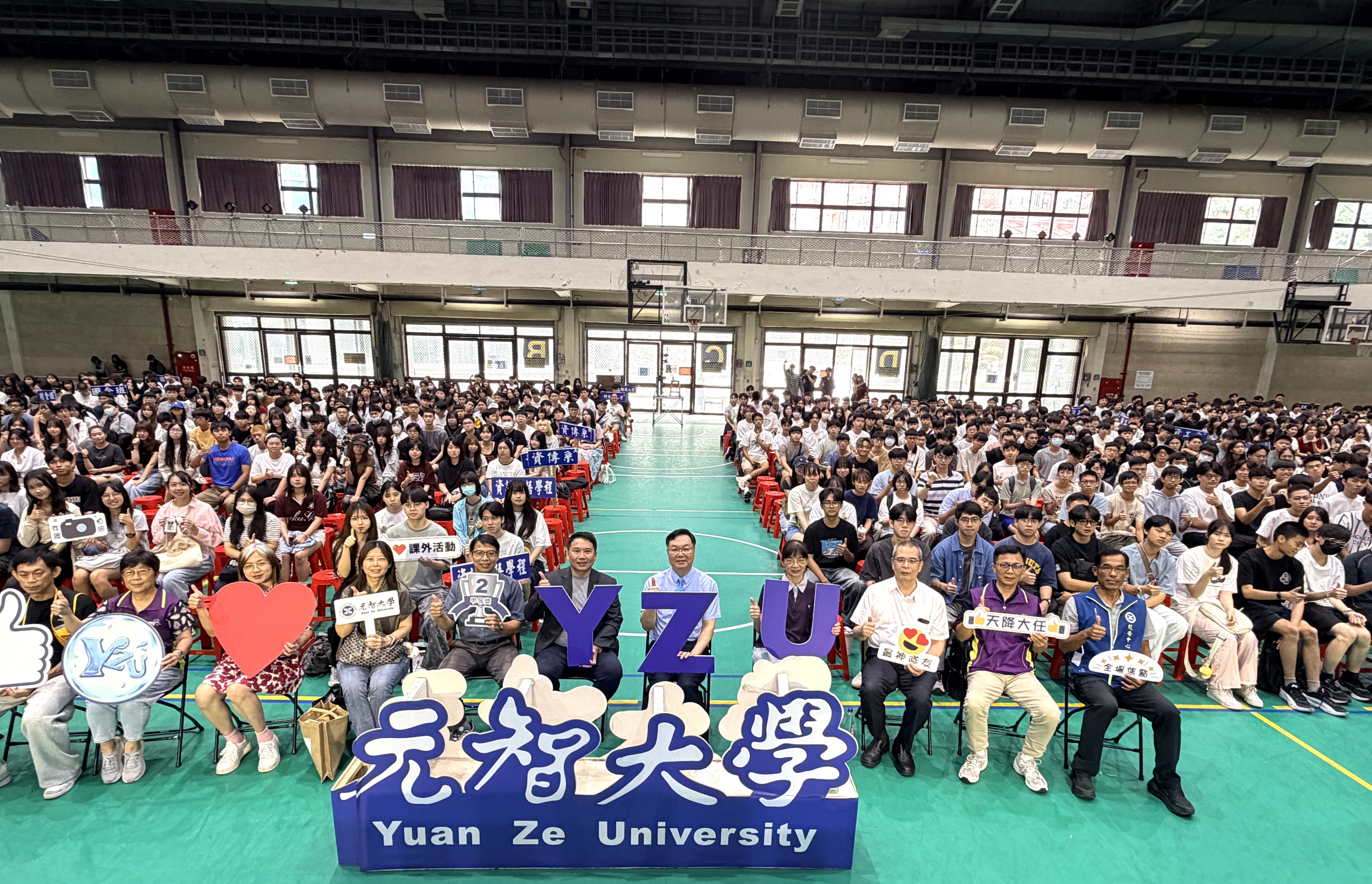
Yuan Ze University’s 2026 Academic Year “Freshman Launch” program took place from September 1 to 4, welcoming approximately 1,900 students to campus. Centered on four key themes, namely safety and adaptation, campus exploration, physical and mental well-being, and self-directed learning, the four-day program featured a diverse range of activities designed to help students become familiar with campus life, build interpersonal connections, and gradually discover their academic direction as they embarked on their university journey.