
 EN-US
 ZH
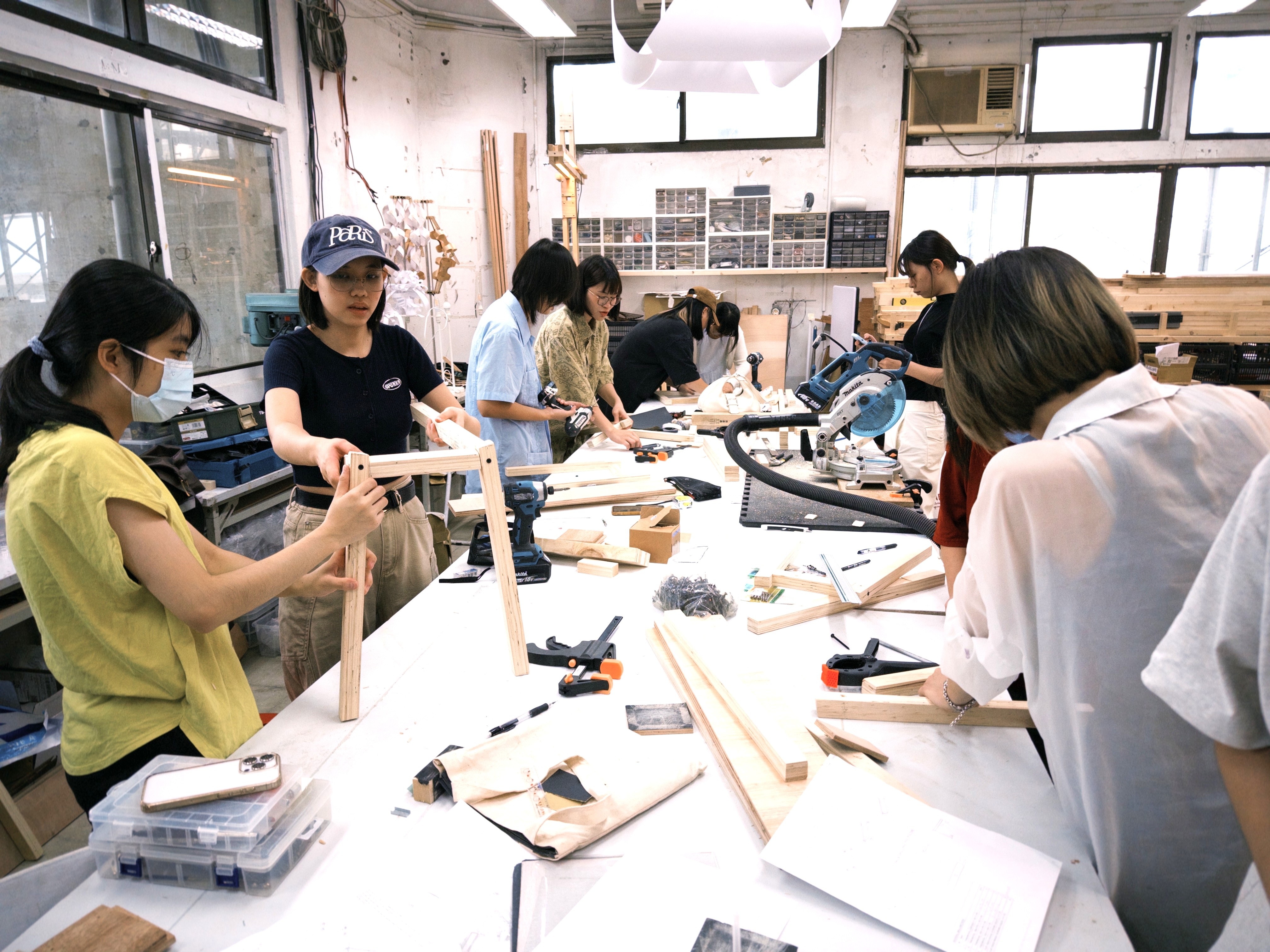
Design was not only about creating aesthetics but also about responding to real-life needs. The course “Introduction to Structure and Form” offered by the Department of Art and Design, College of Humanities and Social Sciences, Yuan Ze University, integrated the Ministry of Education’s Teaching Practice Research Program and the concept of University Social Responsibility (USR). In collaboration with the Jiayi Social Welfare Foundation, the course brought design education into local communities and focused on improving the living environments of underprivileged families, enabling students to understand the connection between design and society through real-world cases.
Campus News
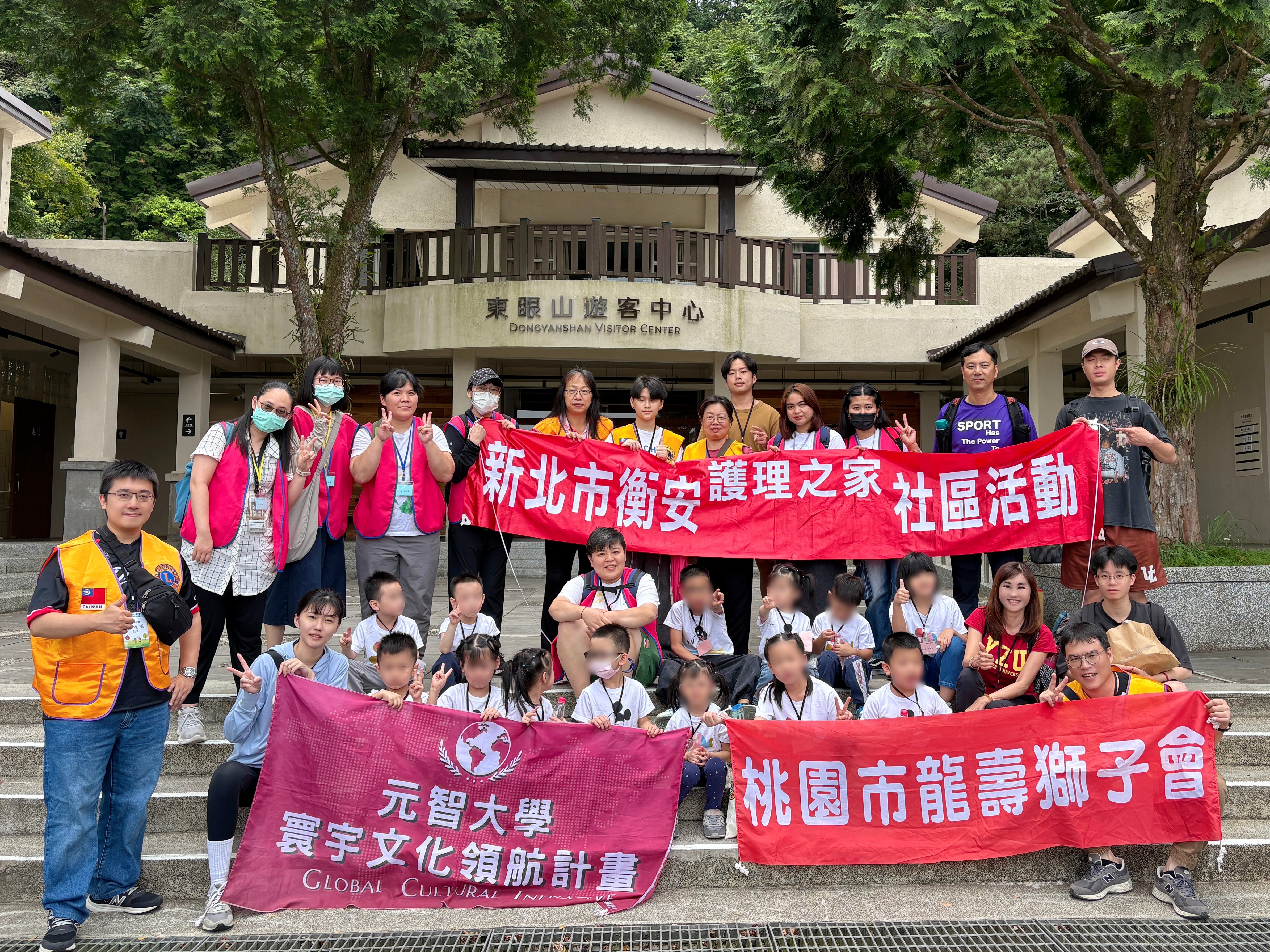
To provide children with rare diseases who had long resided in care institutions and had limited opportunities to engage with the outside world a chance to experience nature, Yuan Ze University’s Global Cultural Initiative, a USR project, organized a special summer outing during the summer break. By bringing together resources from various sectors of society, the project accompanied children from Heng-An Nursing Home on a visit to Dongyanshan National Forest Recreation Area for an ecological exploration trip. Through the beauty of the forest and hands-on experiences in nature, the program aimed to create unforgettable and joyful summer memories for the children.
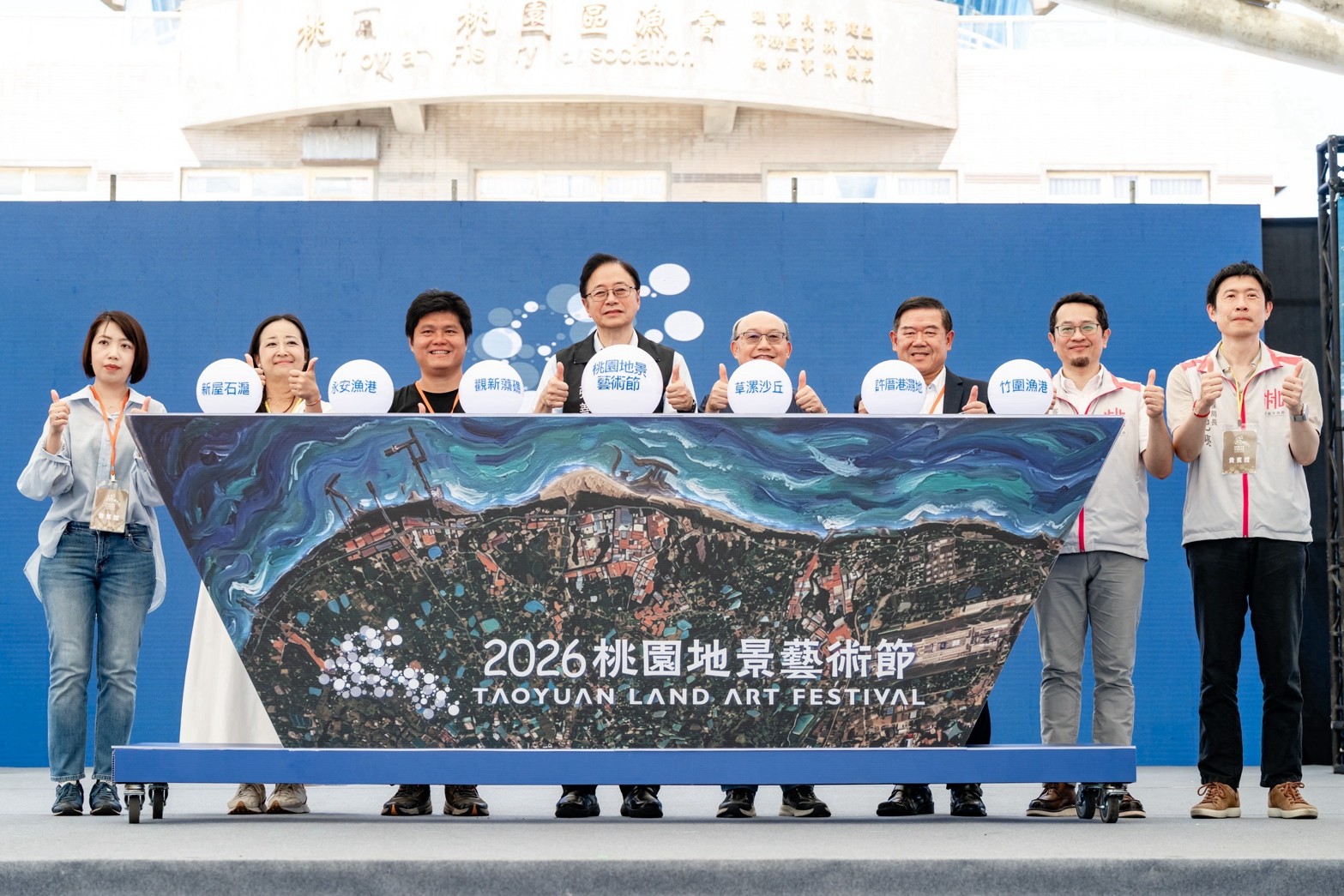
The 2026 Taoyuan Land Art Festival International Forum concluded with great success. The forum brought together curators, artists, scholars, and local practitioners from Taiwan, Japan, South Korea, and Spain. Through keynote speeches, international panel discussions, and exchange sessions, participants focused on issues including the environment, ecology, cultural governance, regional revitalization, and sustainable development. Together, they explored how art responded to contemporary challenges and deepened diverse dialogues on urban and local development.
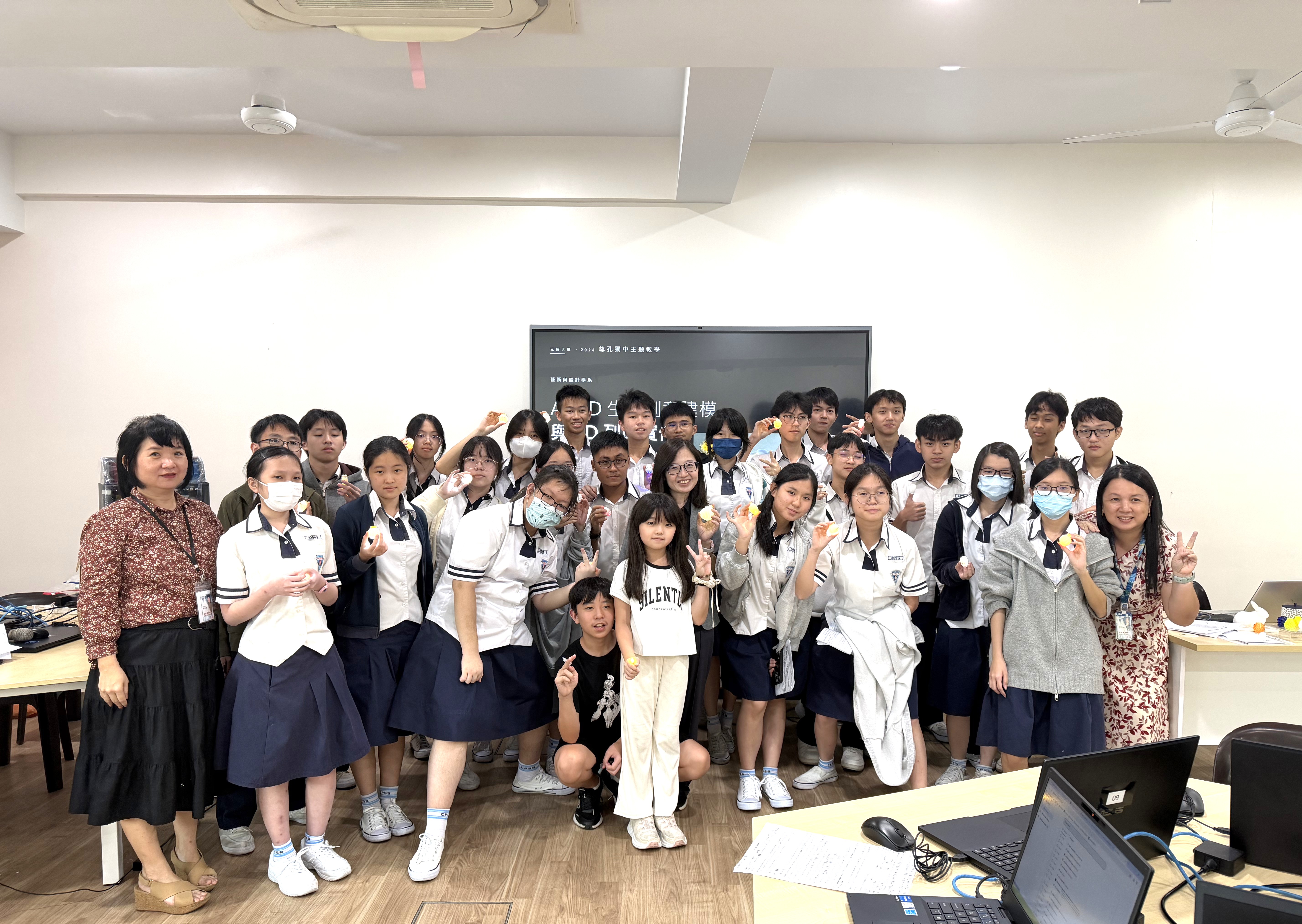
As generative AI rapidly transformed design education, how to help students make good use of AI rather than become dependent on it has become an important issue for educators worldwide. In recent years, Yuan Ze University has actively promoted instructional innovation through “Design × AI,” integrating generative AI, digital fabrication, and design thinking into its curriculum while extending its mature teaching model overseas.
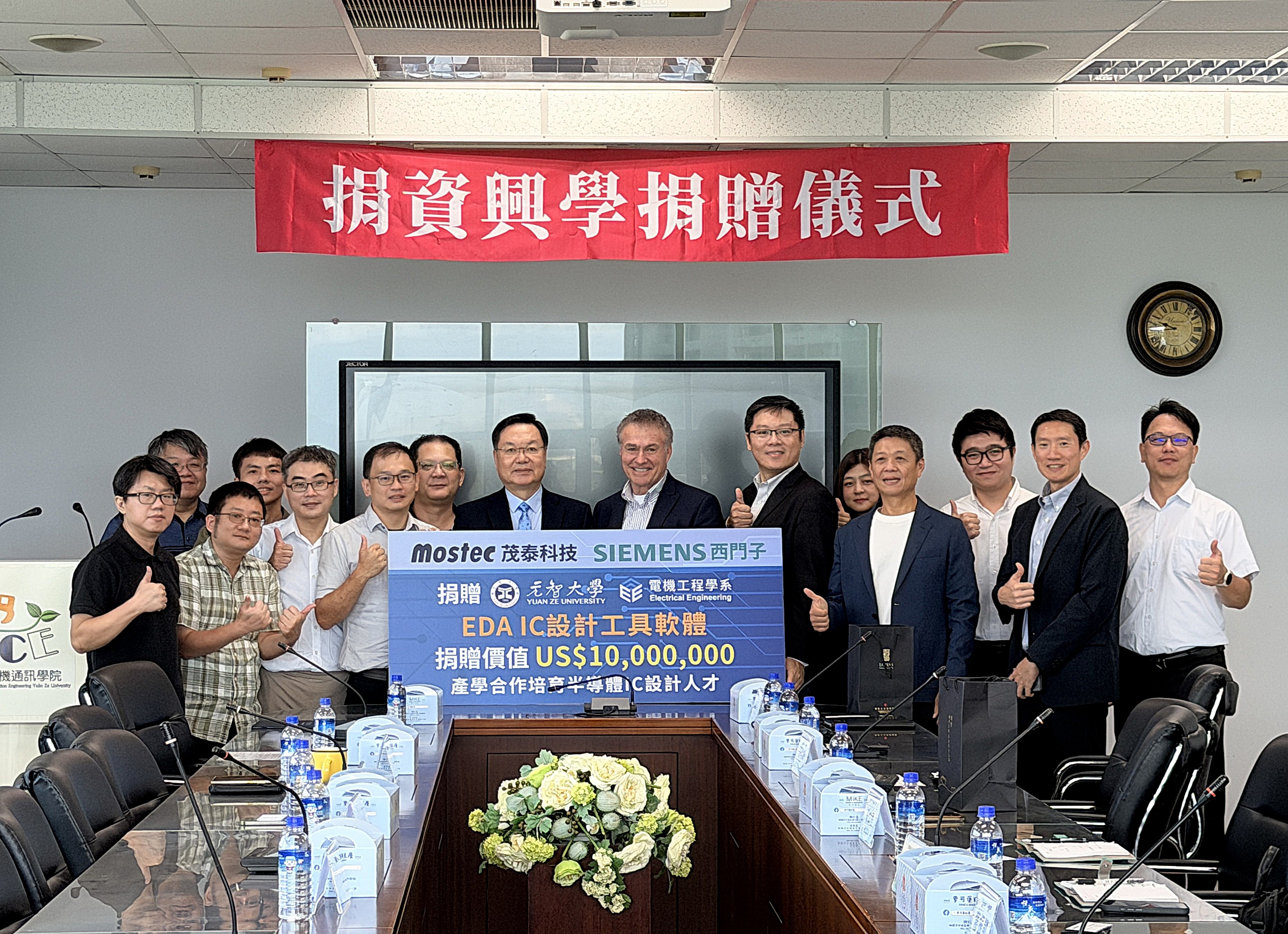
In response to the rapid growth of the global semiconductor industry and the increasing demand for talent, Yuan Ze University has actively expanded its semiconductor education and research efforts in recent years. By establishing the Semiconductor Research Center and integrating interdisciplinary teaching and research resources across the University, Yuan Ze University has built a comprehensive development framework encompassing talent cultivation, technological research, and industry-academia collaboration.
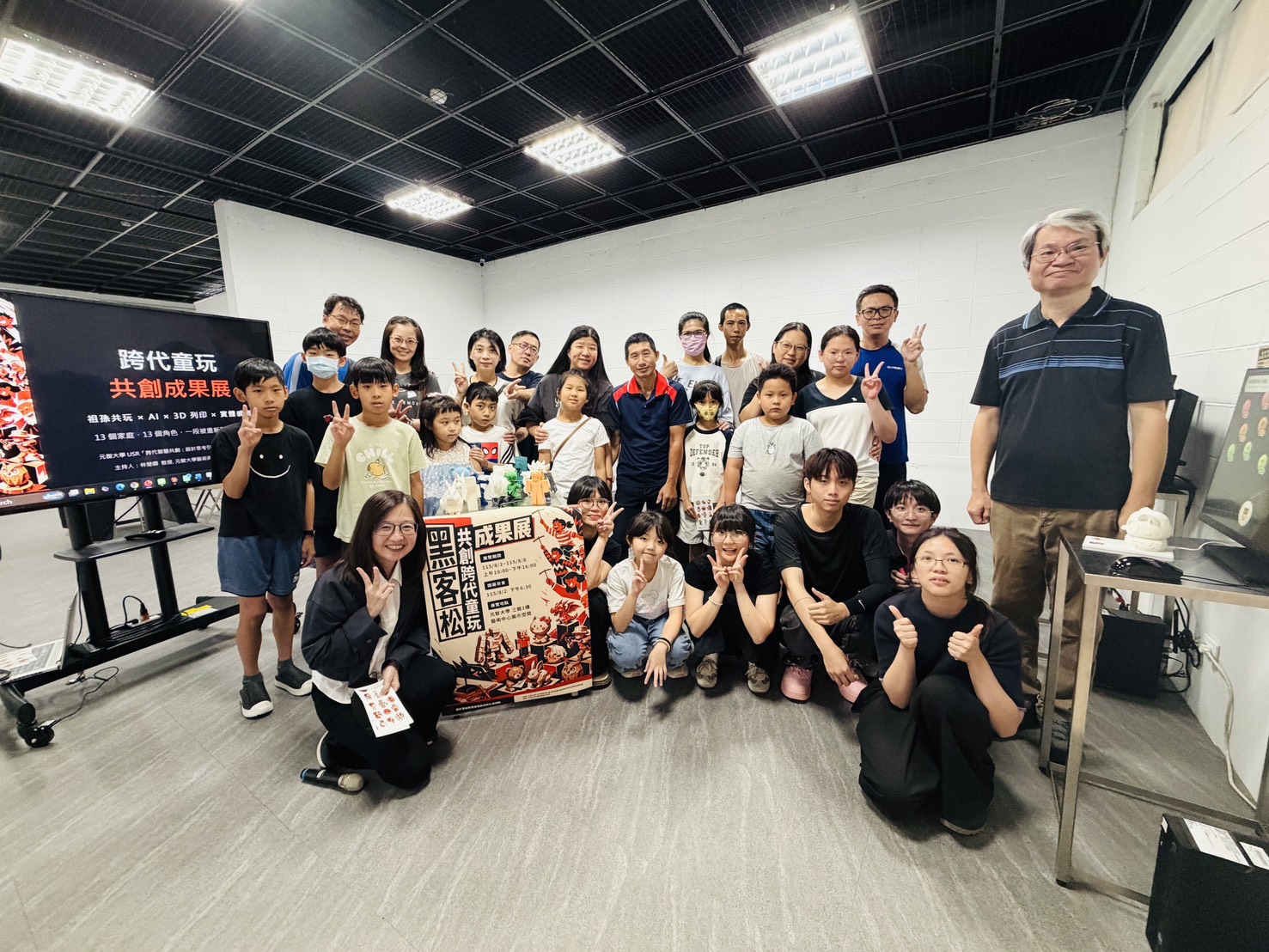
Traditional childhood toys such as bamboo dragonflies, spinning tops, paper airplanes, and the classic game “Red Light, Green Light” were reimagined through artificial intelligence (AI) and 3D printing technologies and transformed into interactive digital games. The “Intergenerational Traditional Toy Hackathon Exhibition,” organized under the University Social Responsibility (USR) project “Intergenerational Smart Co-Creation: Design Thinking for Technology and Well-Being,” was exhibited at the Arts Center exhibition space on the first floor of Yuan Ze Building 3 at Yuan Ze University from now until August 8. The exhibition was open to the public free of charge from 10:00 a.m. to 4:00 p.m. daily, inviting visitors to experience the innovative integration of technology and traditional childhood games.

The Huaxiang Yuanmeng International Volunteer Team of Yuan Ze University traveled to Taiping, Perak, Malaysia, during the summer break and carried out a two-week international volunteer service program. For the third consecutive year, the team collaborated with Hua Lian High School, visited Taiping Peace Children’s Home for the second year, and expanded its service locations for the first time to Sin Min Primary School. Through courses in information technology, sustainable development, and cultural exchange, the volunteers deepened educational exchanges and youth engagement between Taiwan and Malaysia.