 EN-US
 ZH
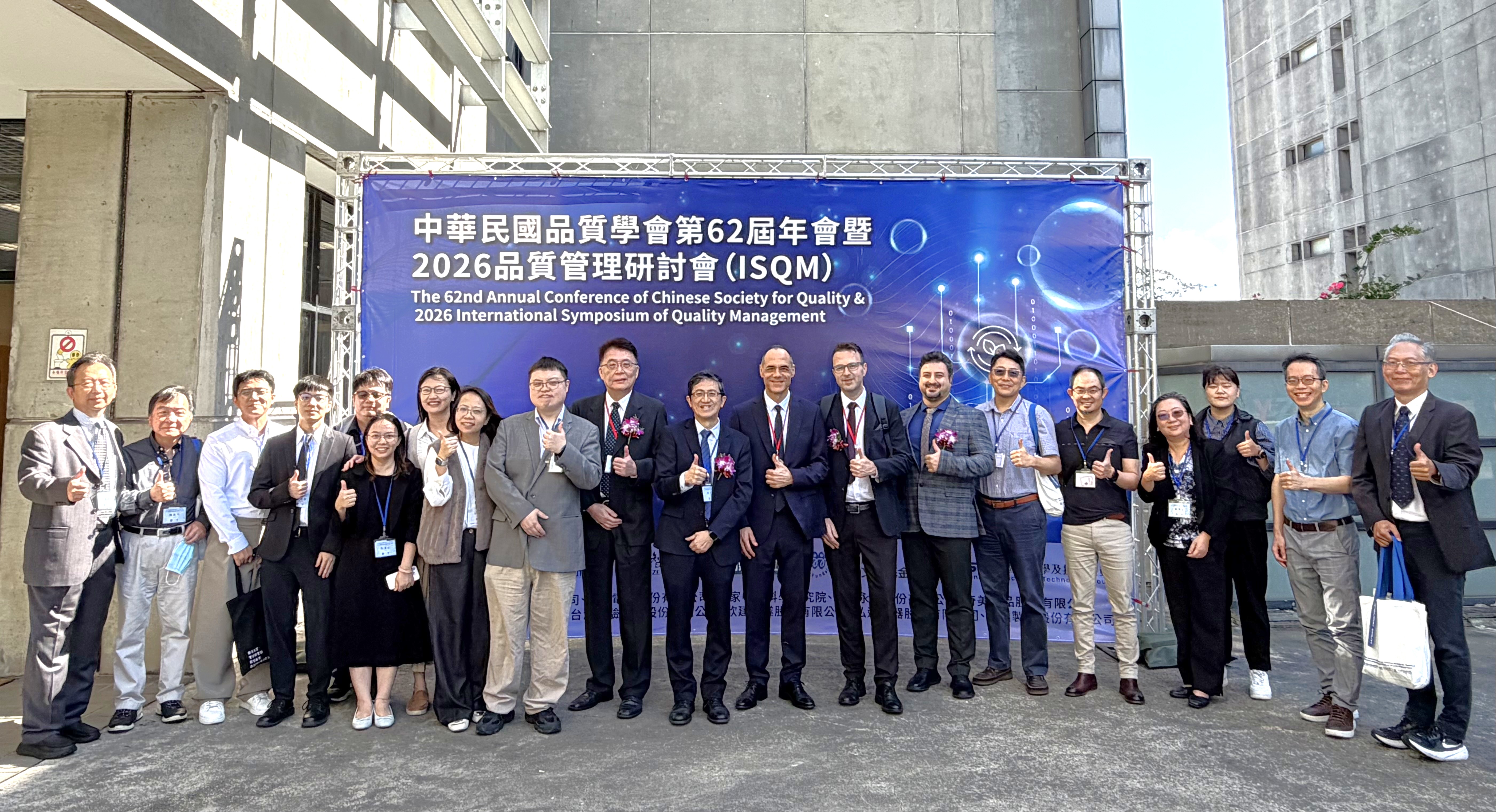
Amid rapid advances in artificial intelligence and sustainability, quality management continued to evolve toward smart innovation and value creation. Yuan Ze University and the Chinese Society for Quality jointly hosted the 62nd Annual Meeting and 2026 International Symposium on Quality Management (ISQM 2026) on November 7 at Yuan Ze University.
Under the theme “Creating New Value through Smart Quality, Leading a Sustainable Future,” the symposium brought together experts from government, industry, academia, and research institutions in Taiwan and abroad. Topics ranged from aesthetics in public infrastructure and generative artificial intelligence to sustainable decision science, highlighting innovative applications and emerging trends in quality management in the smart era.
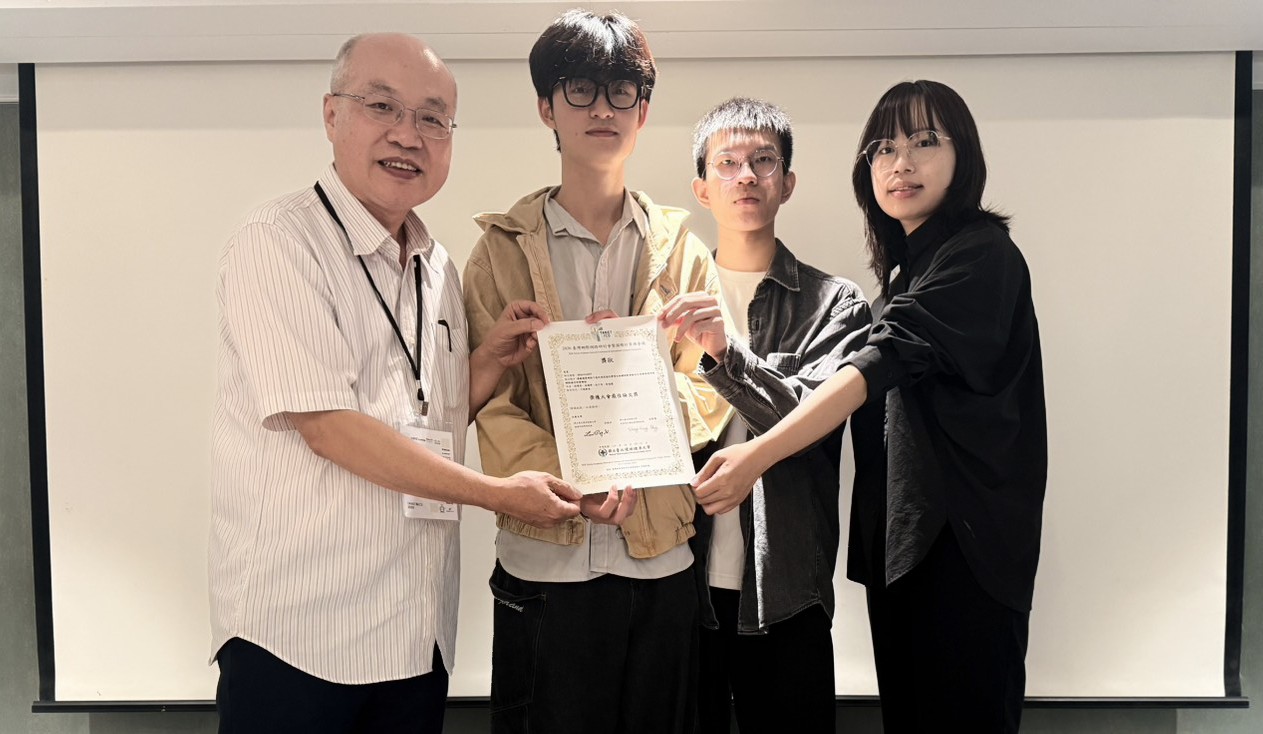
The symposium opened with Chun-Sheng Cheng, President of the Chinese Society for Quality, and Ching-Jong Liao, President of Yuan Ze University and Chair of the symposium. During the opening ceremony, several awards were presented, including the Outstanding Contribution Award for Quality Leadership, Excellence in Business Quality Award, Quality Paper Award, Makalot Industrial Application Paper Award, and Excellence in Quality Master’s and Doctoral Thesis Award, recognizing individuals and teams for outstanding achievements in quality management, industrial innovation, and academic research.
Two keynote speeches in the morning approached the core value of quality from the perspectives of public infrastructure and artificial intelligence. Shih-Cheng Chang, a member of the Tamkang Bridge Engineering Aesthetics Curatorial Team and Deputy Commissioner of the Indigenous Peoples Commission of the Taipei City Government, delivered a presentation titled “When Aesthetics Becomes Quality: The Tamkang Bridge’s Journey from Engineering Quality to Perceived Quality.” He shared how large-scale public infrastructure projects could integrate structural safety, aesthetic design, and user experience, extending the concept of engineering quality beyond technical specifications to broader public value.
Yu Tsao, Research Fellow at the Research Center for Information Technology Innovation, Academia Sinica, delivered a presentation titled “Human-Centered Multimodal Generative Artificial Intelligence and Quality Assessment.” He discussed how AI could integrate speech generation, speech enhancement, and multimodal physiological signal analysis to develop quality assessment approaches that better reflected users’ needs through indicators such as subjective human perception, behavioral performance, and neural responses. His presentation demonstrated the development of artificial intelligence from a focus on technical performance toward a more human-centered experience.
The Decision Making for Sustainable Quality Forum was held in the afternoon, bringing international scholars Dragan Pamucar, Vladimir Simic, and Erfan Babaee Tirkolaee together with faculty members and students from the Department of Industrial Engineering and Management at Yuan Ze University. The forum was moderated by Henyi Jen and Hao Huang and focused on multicriteria decision-making, risk management, occupational safety, post-disaster resilience, and cultural sustainability. Discussions explored how decision science could be applied to quality management and sustainable development.
A total of 88 papers were presented at ISQM 2026, covering quality management, artificial intelligence, smart manufacturing, decision science, reliability, and sustainable development. Researchers from universities and industry across Taiwan shared their findings through oral presentations and poster sessions, fostering interdisciplinary exchange and stronger connections between academia and industry.
The Department of Industrial Engineering and Management at Yuan Ze University had long been dedicated to research and education in smart manufacturing, systems optimization, decision analysis, and quality management. By integrating data analytics, interdisciplinary research, and industry-academia collaboration, the department cultivated professionals equipped with technological application and problem-solving capabilities. Co-hosting the international symposium not only deepened international academic exchange but also demonstrated YZU’s research strengths in smart technologies and sustainable management. Looking ahead, the University said it would continue to integrate artificial intelligence, innovative research, and industry practices while advancing applications in smart quality management and sustainable decision-making, bringing new momentum to industrial upgrading and sustainable development.