 EN-US
EN-US  ZH
ZH 
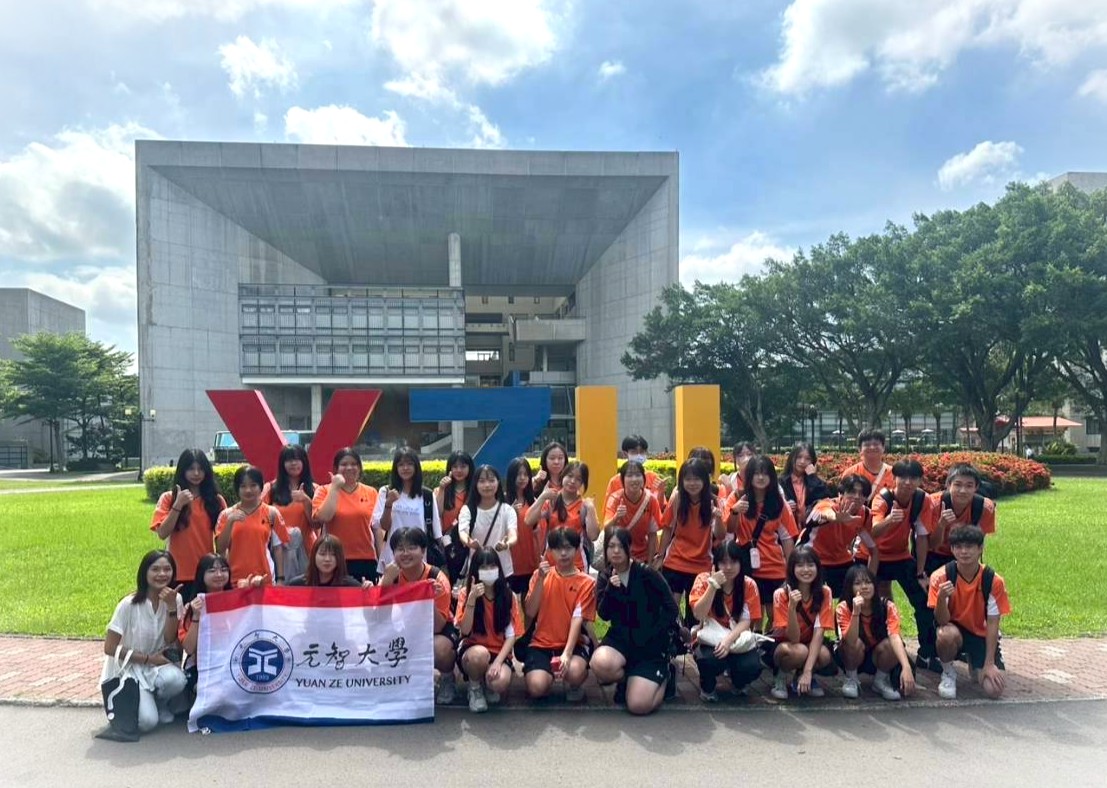
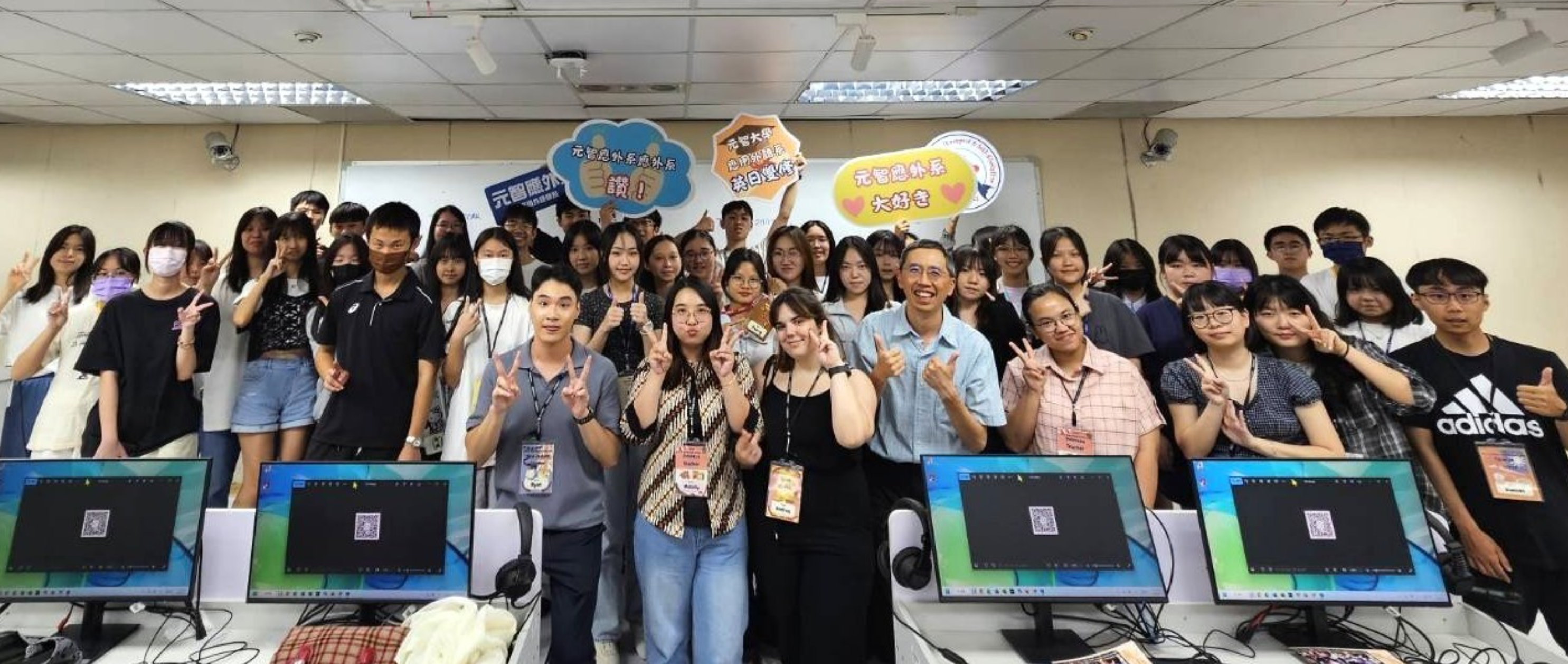
To promote interdisciplinary education in artificial intelligence, the College of Humanities and Social Sciences at Yuan Ze University hosted the “2026 Humanities and Social Sciences Camp: AI Humanities Innovation Lab,” attracting nearly 60 senior high school and vocational high school students. Centered on generative AI, humanistic literacy, and interdisciplinary practice, the camp featured a diverse range of courses on smart cities, digital creation, language learning, and game design. The program guided participants in exploring innovative AI applications across different fields while cultivating AI literacy, creative thinking, and critical reasoning skills.
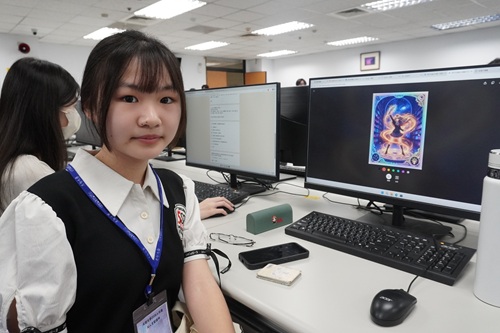
The camp invited Professor Chor-Kheng C.K. Lim from the Department of Art and Design, Professor Yun-Hsien Liang from the Department of Applied Foreign Languages, Professor Yi-Chien Chen from the Department of Social and Policy Sciences, and Professor Shu Yen from the Department of Chinese Linguistics and Literature to jointly teach the courses. Four major themes were designed: “AI 3D Creative Modeling and 3D Printing Practice,” “Learning Japanese with AI Made Easy,” “Human-Centered Smart Cities: Developing AI Agents for Humanities and Social Sciences,” and “GPT RPG: Game Design Workshop.” Through digital tools such as ChatGPT, HYPER3D, Retrieval-Augmented Generation (RAG), and RPG Maker MV, students experienced firsthand the diverse applications of generative AI in design and creativity, language learning, smart living, and interactive game development.
The curriculum combined theory with hands-on practice. Students used AI-assisted 3D modeling tools to create and complete 3D-printed works, gaining experience in digital design and intelligent manufacturing processes. They also generated personalized self-introductions in Japanese through AI, exploring the role of artificial intelligence in language learning. By applying prompt engineering and RAG technologies to analyze real-life scenarios, participants developed skills in information organization and interpretation. In addition, they designed characters, storylines, and interactive games using RPG Maker MV, strengthening their logical thinking, creativity, and digital content development abilities while demonstrating the diverse possibilities of interdisciplinary AI learning.
A student from Datong High School in Miaoli, surnamed Lin, said that the camp had helped him better understand AI applications and introduced him to many tools he had never encountered before. He noted that the courses successfully combined knowledge with practical experience. Through the instructors’ clear and engaging guidance, AI technologies that had once seemed unfamiliar became easier to understand, allowing him to recognize the development potential of artificial intelligence across various fields.
Another participant, a student from Fu-Dan High School in Taoyuan, surnamed Chung, shared that the camp was both a rewarding and inspiring learning experience. It not only deepened his understanding of the interdisciplinary connection between the College of Humanities and Social Sciences and AI, but also revealed how AI could be widely applied in design, language learning, smart living, and digital creation. Through hands-on activities and project development, he improved his ability to utilize AI tools and gained a broader vision for his future academic pursuits.
Jun-Hao Lee, Dean of the College of Humanities and Social Sciences, stated that generative AI had gradually become a major trend in both education and industry. In recent years, the college had continuously promoted interdisciplinary AI education, emphasizing not only students’ ability to use AI tools effectively but also their capacity for information literacy, critical thinking, and humanistic concern. He added that the college would continue to develop curricula that balanced theory and practice, nurturing a new generation of talent equipped with technological competence, humanistic perspectives, and innovative capabilities, while helping young people meet the challenges and opportunities presented by the AI era.