 EN-US
EN-US  ZH
ZH 
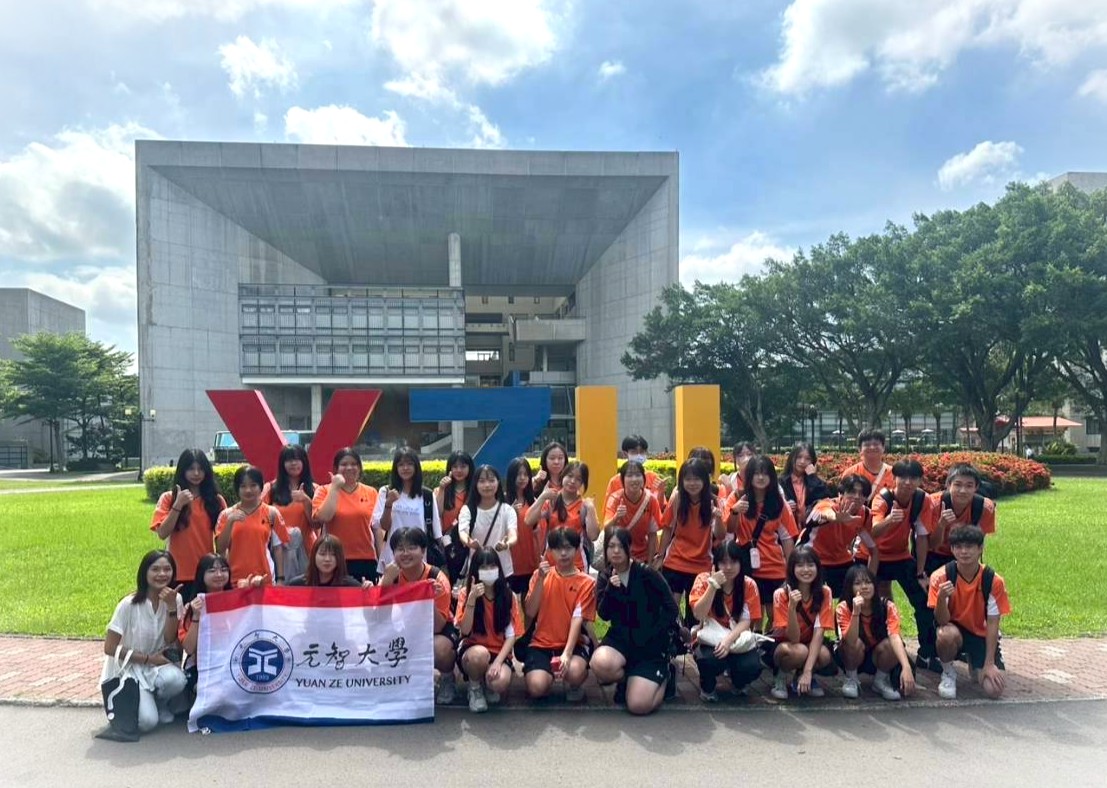
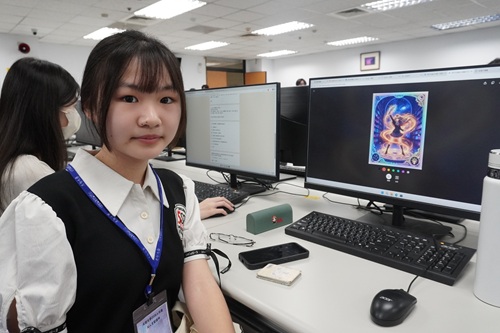
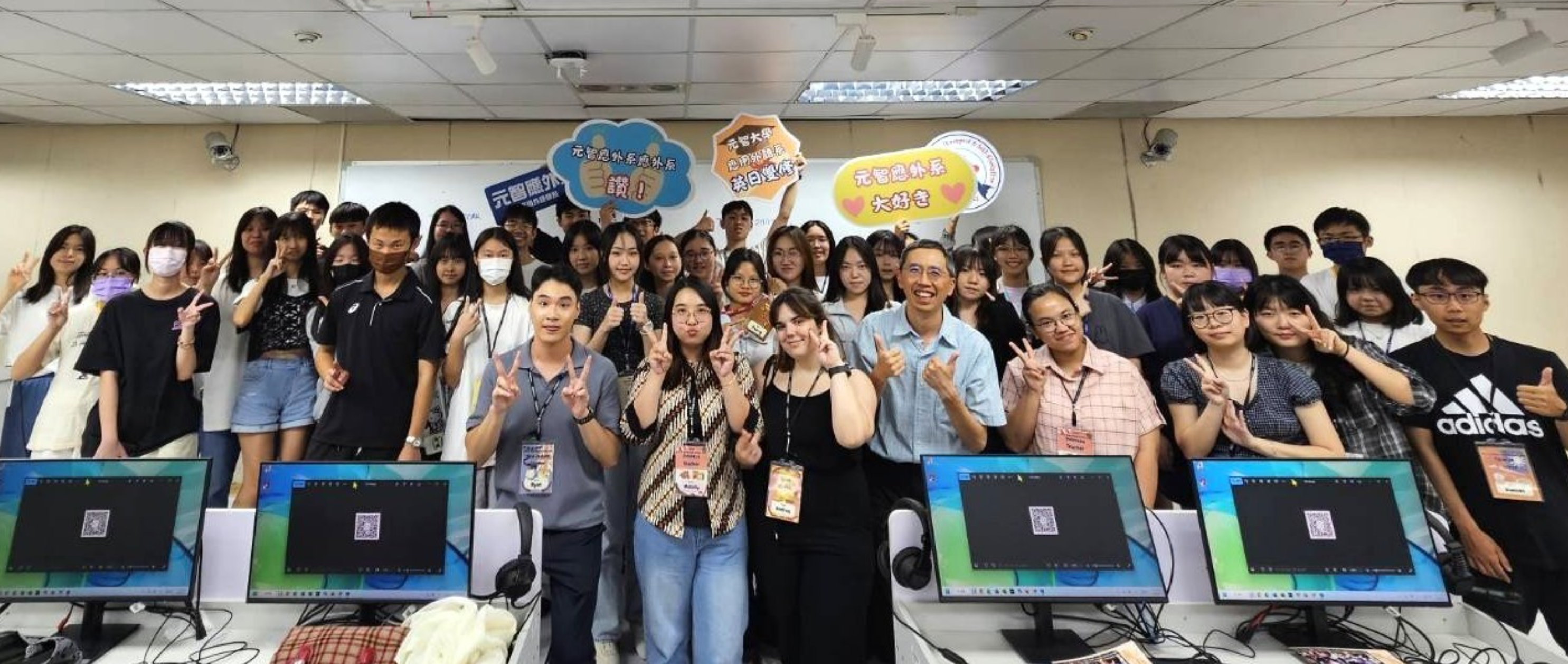
In response to the rapid advancement of artificial intelligence technologies, the College of Humanities and Social Sciences at Yuan Ze University collaborated with Taoyuan Municipal Shou Shan Senior High School on July 1 to organize the “AI Innovation Camp: AI Map Analysis × Vibe Coding.”
Through courses covering generative AI, spatial data analysis, and innovative programming, the camp introduced high school students to the diverse applications of artificial intelligence in public policy analysis, data utilization, and digital creation. The program also helped students develop data analysis skills, logical thinking, and interdisciplinary practical abilities.
The camp featured two major thematic courses that integrated theory with hands-on practice, allowing students to experience AI technologies through direct application. The first course, “From Maps to Decisions: Public Policy Practice with AI and Spatial Data,” introduced the use of government open data and spatial information analysis. Students learned how to utilize generative AI to integrate data, create charts, and analyze results. They were further encouraged to consider how data could be translated into public policy recommendations that better addressed citizens’ needs, gaining a deeper understanding of the value of AI in public governance and social issue analysis.
The second course, “Creativity Without Limits: Introduction to Front-End Development and Practice through Vibe Coding in the AI Era,” focused on the increasingly popular concept of Vibe Coding. Through collaboration with AI tools, students were guided in transforming creative ideas into websites and interactive interface projects. The course covered creative ideation, prompt design, AI-generated content, testing and revision, and project presentation. This comprehensive learning process enabled students to experience the AI-assisted development workflow while cultivating design thinking, problem-solving abilities, and interdisciplinary integration skills.
Throughout the program, students gained hands-on experience using a variety of AI tools and completed practical exercises in data analysis and front-end design. These activities allowed them to explore different ways in which artificial intelligence could be integrated into learning. According to post-camp feedback, many students indicated that the courses helped them develop logical thinking and written expression simultaneously, enabling them to better understand how to transform their thought processes into effective AI prompts. Others commented that the curriculum was rich in content and closely aligned with future technological trends. In addition to learning how to use AI tools, they also gained a deeper understanding of AI applications in public policy, information analysis, and digital creation.
The College of Humanities and Social Sciences at Yuan Ze University stated that it would continue to promote interdisciplinary education that integrated artificial intelligence with the humanities and social sciences. Through diverse course designs and experiential learning opportunities, the College aimed to help students develop technological literacy, humanistic thinking, and innovative capabilities. The AI Innovation Camp organized in collaboration with Shou Shan Senior High School not only strengthened educational exchanges between secondary and higher education institutions but also provided high school students with an early opportunity to explore interdisciplinary AI applications, laying a solid foundation for their future academic and career development.