 EN-US
EN-US  ZH
ZH 
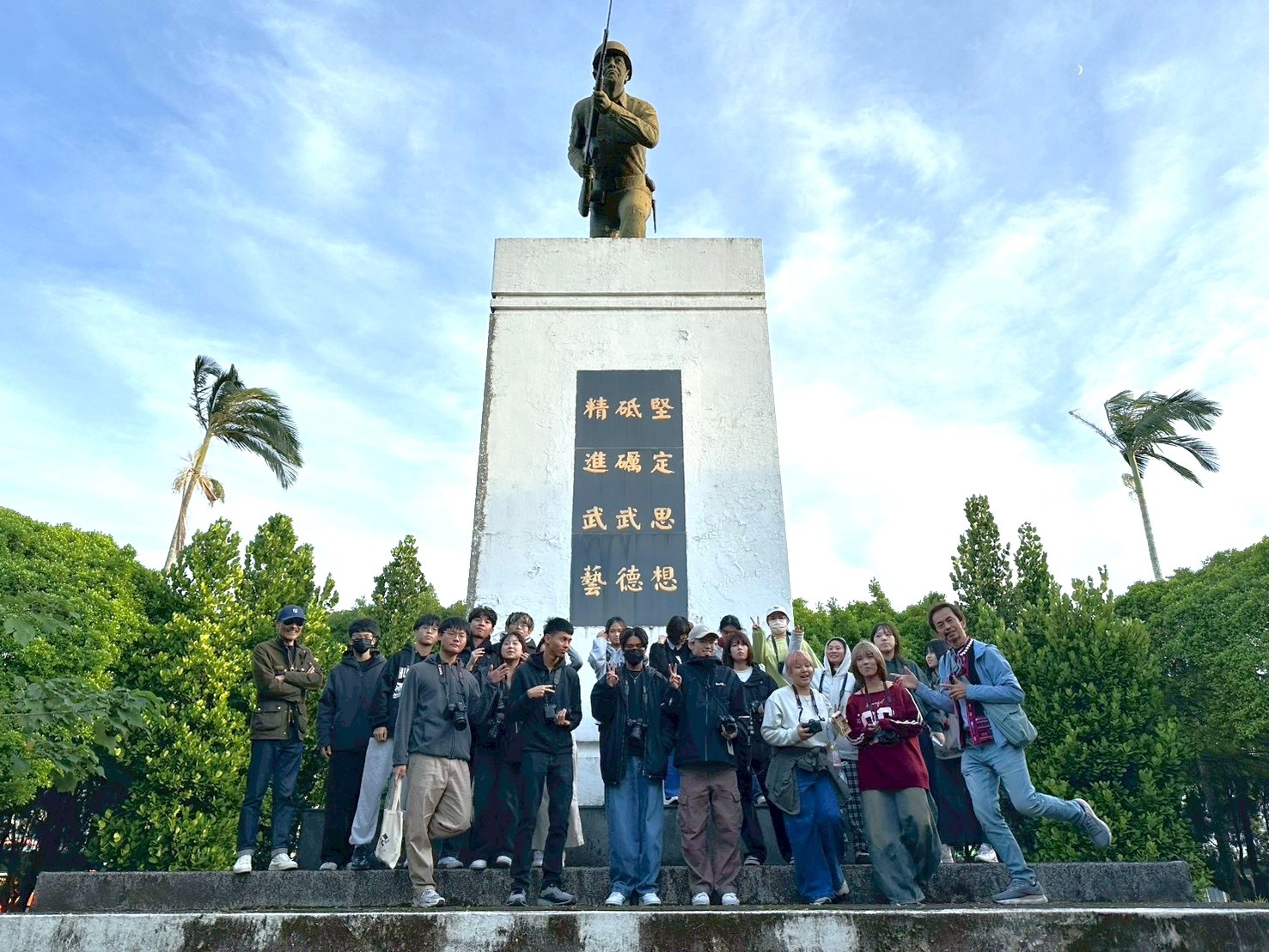
The annual Longgang Rice Noodle Festival was held with great enthusiasm on April 25. Beyond being one of Taoyuan’s most significant local food events, the festival had gradually evolved into an important platform showcasing multiculturalism and the vitality of local revitalization.
In response to the government’s active promotion of local revitalization policies, Yuan Ze University, with University Social Responsibility (USR) as its core mission, had long been deeply engaged in the Longgang area. Through the project “Cultural Weaving: Multicultural Communication and Industrial Innovation in the Longgang Area,” the University integrated cultural, industrial, and educational resources, transforming the Rice Noodle Festival into a key stage for students to practice creativity and promote local brand revitalization.
Rooted in the history of Yunnan–Myanmar immigrants, the Longgang area had developed a distinctive rice noodle culture. However, amid social changes, it gradually faced challenges such as limited modes of cultural transmission and insufficient industrial innovation. Yuan Ze University integrated resources from the Department of Information Communication and the College of Management, introducing visual marketing, design thinking, and digital technologies to help local industries reinterpret cultural value and transform traditional cuisine into brand symbols that appealed to younger generations.
Shih-Ming Chang, Professor of the Department of Information Communication, pointed out that in the USR course “Video Marketing,” students worked directly with local business districts, focusing on the revitalization of the Longgang rice noodle brand. They conducted field research on site and produced marketing content based on the actual needs of store owners. As a result, students completed seven marketing videos, which received positive recognition from local businesses and were applied to promotional activities for this year’s Rice Noodle Festival. Notably, an original song created by students was also adopted as the brand theme song, demonstrating the tangible outcomes of university–industry collaboration.
Beyond marketing achievements, Yuan Ze University also promoted local revitalization through diverse courses. These included using documentary photography and filmmaking to record the cultural landscapes of Longgang and Xiaoli, employing new media such as VTuber videos and projection mapping to reinterpret Longgang’s culture and stories, and applying AI and metaverse technologies to develop a VR-guided tour system for the Zhongzhen New Village Cultural Park. Through audiovisual media and digital technologies, students preserved and re-presented local memories while deepening their understanding of multicultural communities through oral history, field research, and cultural tourism activities.
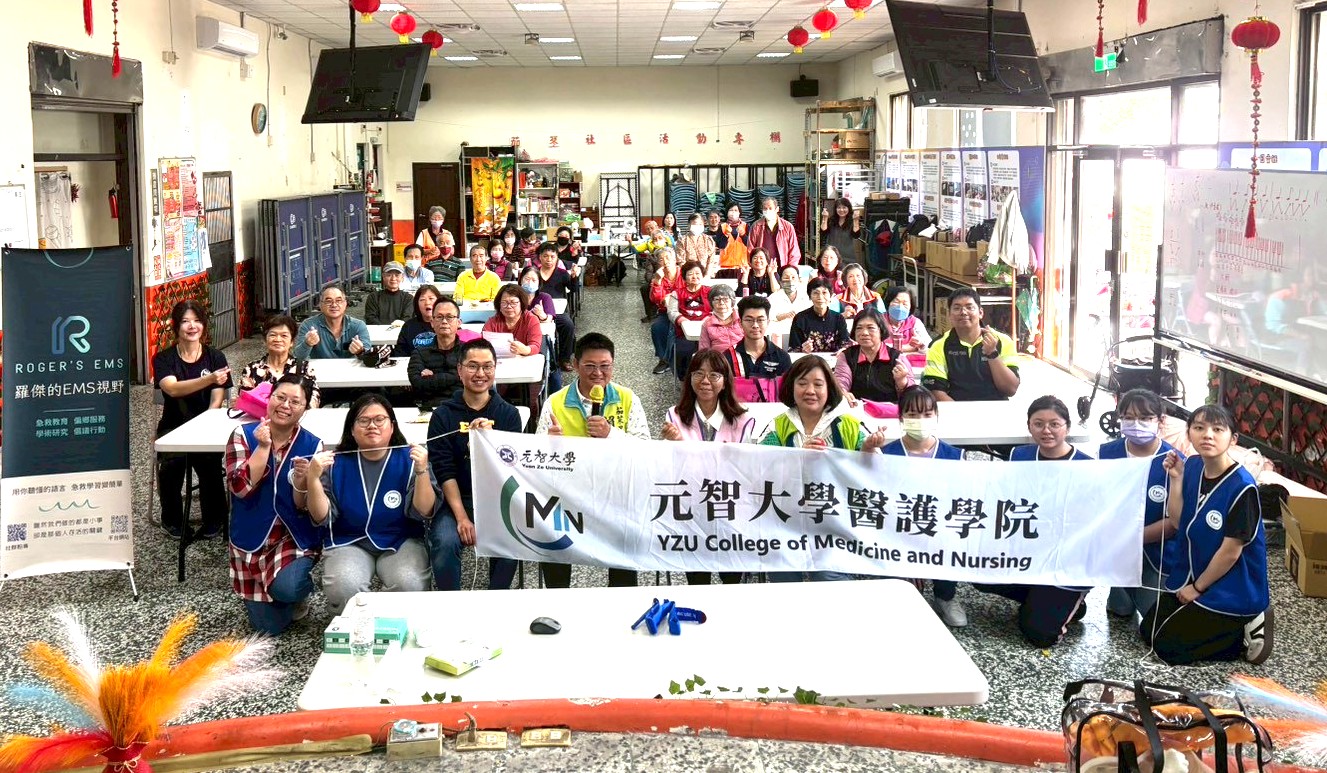
In terms of community engagement, the project was further extended to elderly care and services for new immigrants. Students entered long-term care institutions to produce documentaries, developed tabletop games for active aging, and collaborated with community development associations to promote companionship services, enhancing local social resilience. At the same time, through picture books, photographic publications, and tour guide designs, the project helped residents and new immigrants better understand Longgang’s history and promoted multicultural inclusion.
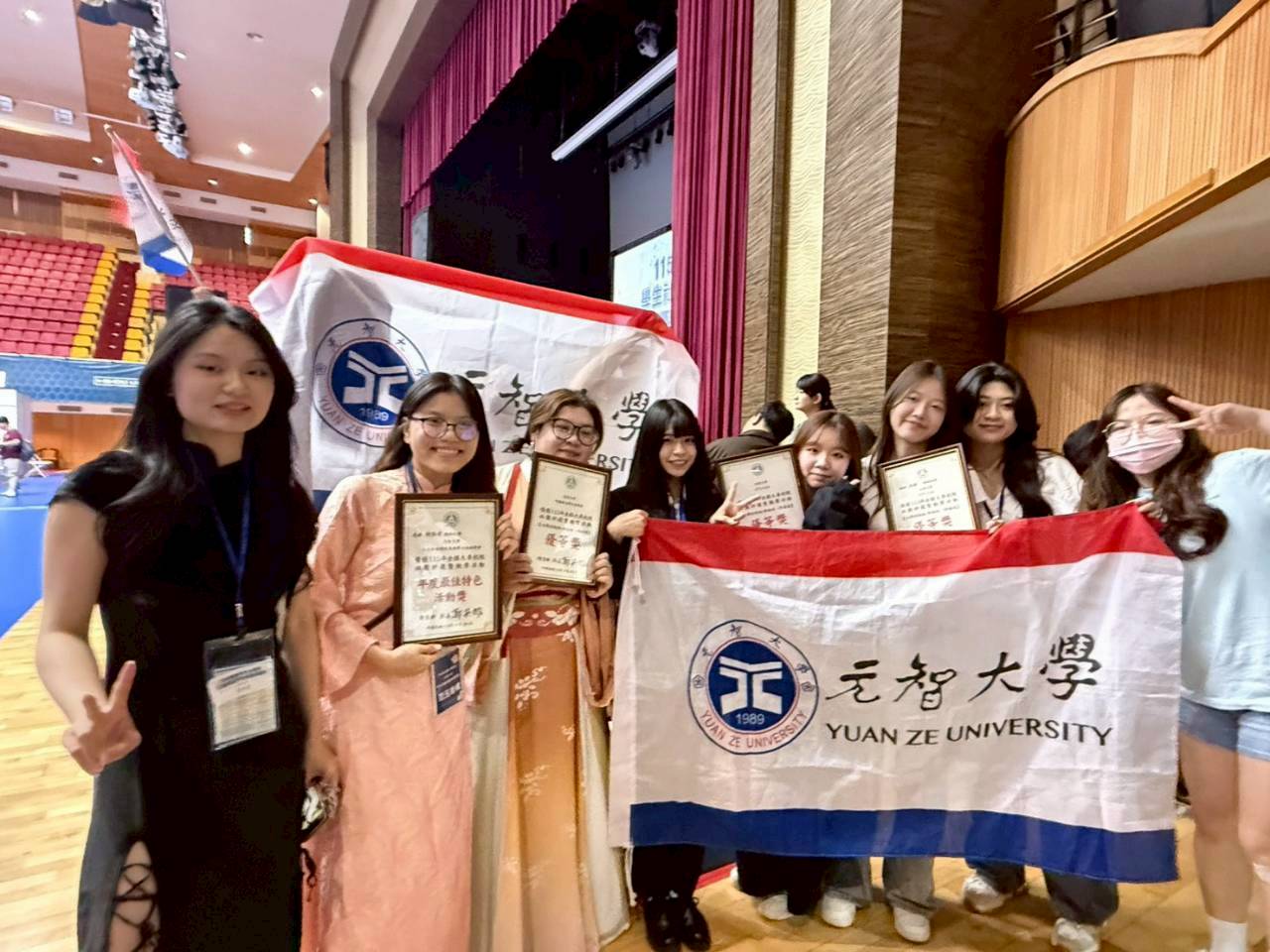
The project’s outcomes were also recognized in multiple competitions, including Second Prize and Honorable Mention in the “Youth Returning Home—Local Revitalization Microfilm Competition,” several awards in the Public Welfare Communication Awards, and selection for the Taoyuan Youth Design Exhibition. Among these, the VR Guided Tour of Historical Scenes at Zhongzhen New Village Cultural Park received funding from the National Science and Technology Council and was honored with the “Research for Taoyuan” Gold Research Award, highlighting the USR project’s achievements in both academic and practical dimensions.
Yuan Ze University stated that it would continue to deepen its collaboration with the Longgang area through interdisciplinary courses and long-term on-site engagement, responding to local needs while cultivating students’ ability to learn and practice in real-world settings. By leveraging the power of the University, Yuan Ze aimed to promote cultural sustainability and industrial innovation and to establish a replicable model of local revitalization.