 EN-US
EN-US  ZH
ZH 
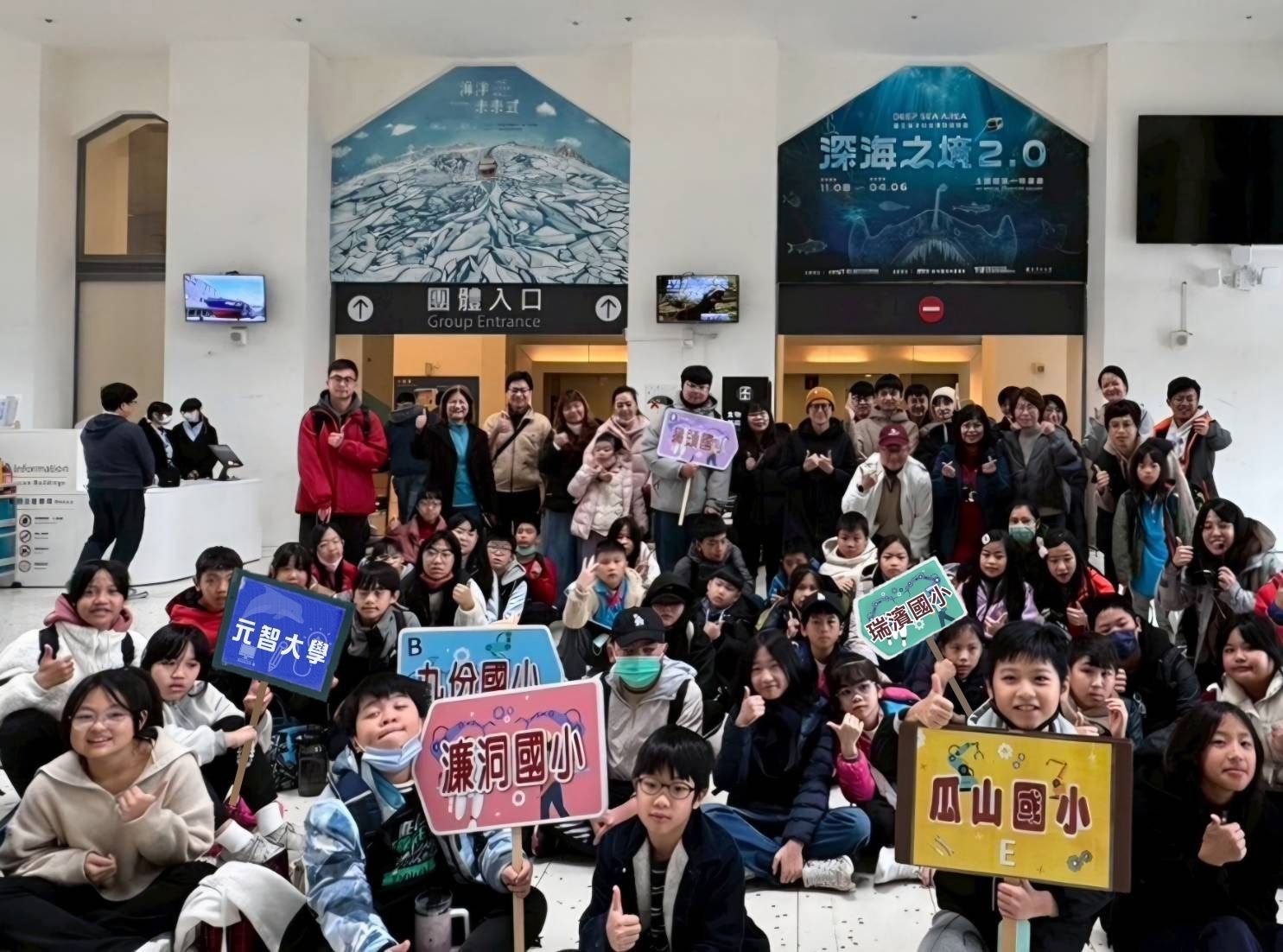
To promote the integration of digital technology into local cultural education and to strengthen cultural identity among students in remote areas, Qinxian Junior High School in New Taipei City hosted the “Ruifang School Cluster: Mountain and Sea Walkthrough Minecraft Co-Creation Workshop.”
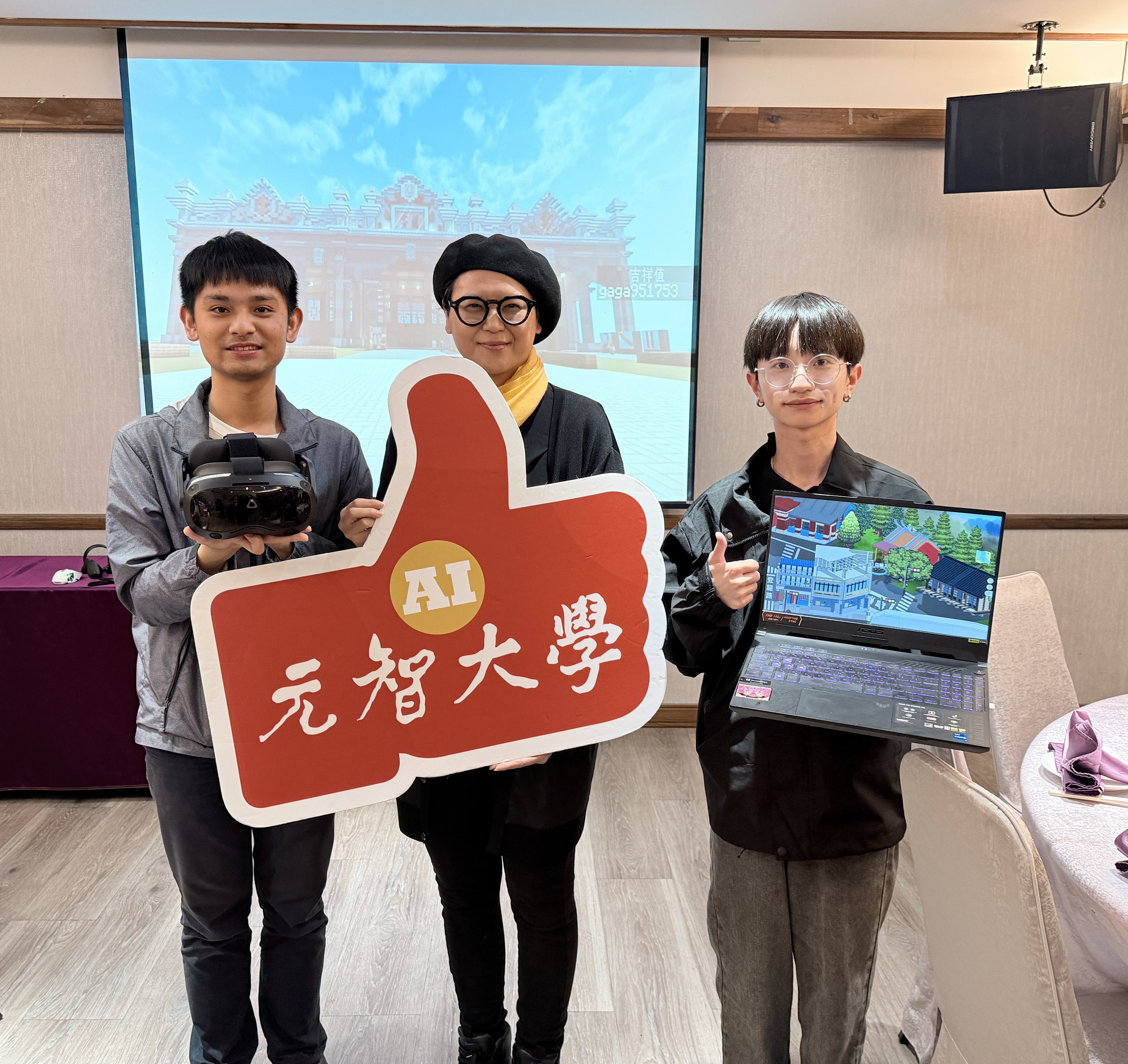
The program was guided by Professor Jiahui Luo and her team from the Department of Art and Design, Yuan Ze University, and was held at the National Museum of Marine Science and Technology.
The workshop brought together a total of 65 teachers and students from Jiufen Elementary School, Ruifang Elementary School, Guashan Elementary School, Bitou Elementary School, and Liandong Elementary School. By combining the popular game Minecraft with generative AI technologies, students transformed the distinctive mountain-and-sea landscapes and fisheries culture of the Ruifang area into imaginative digital artworks, vividly expressing their emotional connection to and creative interpretations of their hometown.
The curriculum was carefully designed by the team from the Department of Art and Design, Yuan Ze University, emphasizing the pedagogical concepts of “virtual–physical integration” and “immersive learning.” In the morning, participating teachers and students joined guided tours of marine and fisheries exhibits at the museum and watched a marine theater presentation, gaining sensory-based insights into marine ecology and fishing culture through firsthand experiences. In the afternoon, the program moved into a digital creation workshop, where students were guided to translate their observations into digital creative elements and to construct their own imagined local fishing harbors through the use of games and AI technologies.
Professor Jiahui Luo noted that Yuan Ze University had long been committed to connecting technology, art, and society. She emphasized that the workshop was not merely about teaching digital tools; rather, it aimed to allow children to “learn through play,” starting from an understanding of local fishing port culture and gradually developing awareness of the importance of sustainable marine resources, as well as a sense of responsibility and care for environmental issues.
Students demonstrated a high level of engagement and tangible learning outcomes throughout the program. Qingfeng Guo, a student from Bitou Elementary School, shared that by using AI tools and Minecraft to create marine creatures and boats, he was able to bring his works to life and exchange ideas with classmates. This experience helped him gain a deeper appreciation of the value and fragility of marine resources.
Under the guidance of the Yuan Ze University team, students gradually built their idealized fishing harbor scenes within the virtual world, infusing familiar seafood species with movement and storytelling elements. Through technological collaboration, everyday hometown landscapes were reimagined and transformed into creative digital environments filled with childlike wonder and originality.
Peihua Guo, Principal of Qinxian Junior High School, pointed out that the core spirit of the program lay in “empowerment.” By leveraging game-based interfaces and AI technologies that students were already familiar with and enthusiastic about, the workshop not only enhanced learning motivation but also enabled students to interpret and promote the unique characteristics of remote communities through digital means—an experience with far-reaching significance for building self-confidence and cultural identity.
The workshop concluded with a final presentation, during which screens displayed a series of virtual fishing harbors and imaginative digital marine creatures created by the students themselves. These outcomes vividly showcased Yuan Ze University’s interdisciplinary teaching achievements in aesthetic education, technology-based art, and local community engagement, while also marking a memorable milestone for marine education and digital learning within the Ruifang school cluster.