 EN-US
EN-US  ZH
ZH 
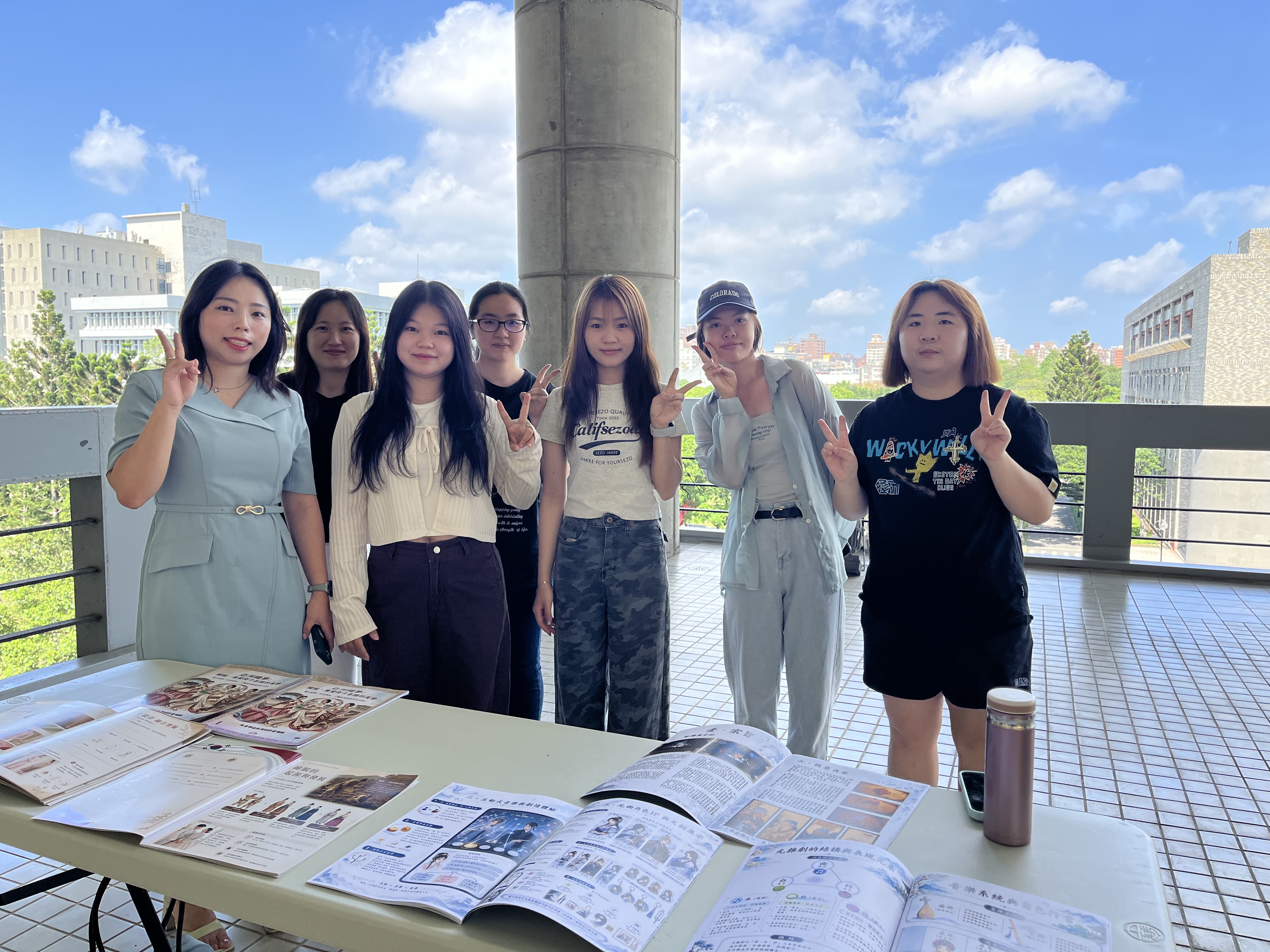
The Department of Chinese Linguistics and Literature at Yuan Ze University held the Practical Project Achievement Exhibition for the Class of 2023 on May 20, themed “Textual Awakening — When Stories Stepped Beyond the Page.”
The exhibition brought together the achievements of 12 student teams, showcasing diverse formats such as AI technologies, interactive websites, board game design, digital picture books, animation, and cultural and creative products. The exhibition demonstrated the interdisciplinary potential of literary texts from reading and interpretation to creative practice.
This exhibition focused on themes including Chinese character culture, classical literature, historical narratives, gender writing, Asian clothing, food culture, urban labor, and digital interaction. It fully demonstrated how students of the department integrated humanistic literacy with technological applications and cultural innovation, echoing the core spirit of the curatorial theme by bringing literature out of books and into contemporary life.
Among the works, “Women Between the Lines” explored women’s roles and conditions within the linguistic system through the lens of Nüshu culture and Chinese characters with the female radical, and reconstructed self-identity through writing. “Voices in the Annals” employed AI-driven dynamic storytelling and role-playing mechanisms, allowing participants to enter a fictional dynasty from perspectives across different social classes and experience the diversity of historical narratives.
In terms of cultural aesthetic transformation, “Revitalizing Chinese Elegance” adopted a modern Chinese style, incorporating poetry, traditional patterns, and Eastern colors into cultural and creative products such as bookmarks and cup sleeves, while also designing AI interactive drawing activities to enhance the exhibition experience. “Weaving Dreams of Asia” presented the contemporary value of cross-cultural aesthetics by tracing the context of Asian cultural exchange through traditional attire such as hanbok, Vietnamese áo dài, and kebaya.
Emotional writing and social concern also became highlights of the exhibition. “Echoes of the Wild Goose” combined fiction writing, an electronic message wall, and a “Letter to the Future in Three Years” activity, responding to the gradual disappearance of handwritten correspondence in the digital age. “Invisible People in the City” focused on grassroots workers such as cleaners, delivery personnel, security guards, and pruning workers, guiding visitors through curatorial design to rediscover these essential figures who sustained urban operations.
In addition, several works attempted to lower the threshold for reading classics through gamification. “Battle of Ink Strategies” was based on historical texts such as Records of the Grand Historian and Zizhi Tongjian, creating a collectible card game that combined historical research and strategic gameplay. “Oracle of the East” integrated tarot card formats with ancient philosophical thought, offering a new approach to textual interpretation. “As It Was Meant to Be: New Voices in Yuan Qu” used AI-generated imagery and animation to recreate the artistic conception of Yuan drama. “A Survival Guide to Dream of the Red Chamber” guided participants through character selection and reasoning processes to understand the relationships and narrative structure of the classic novel.
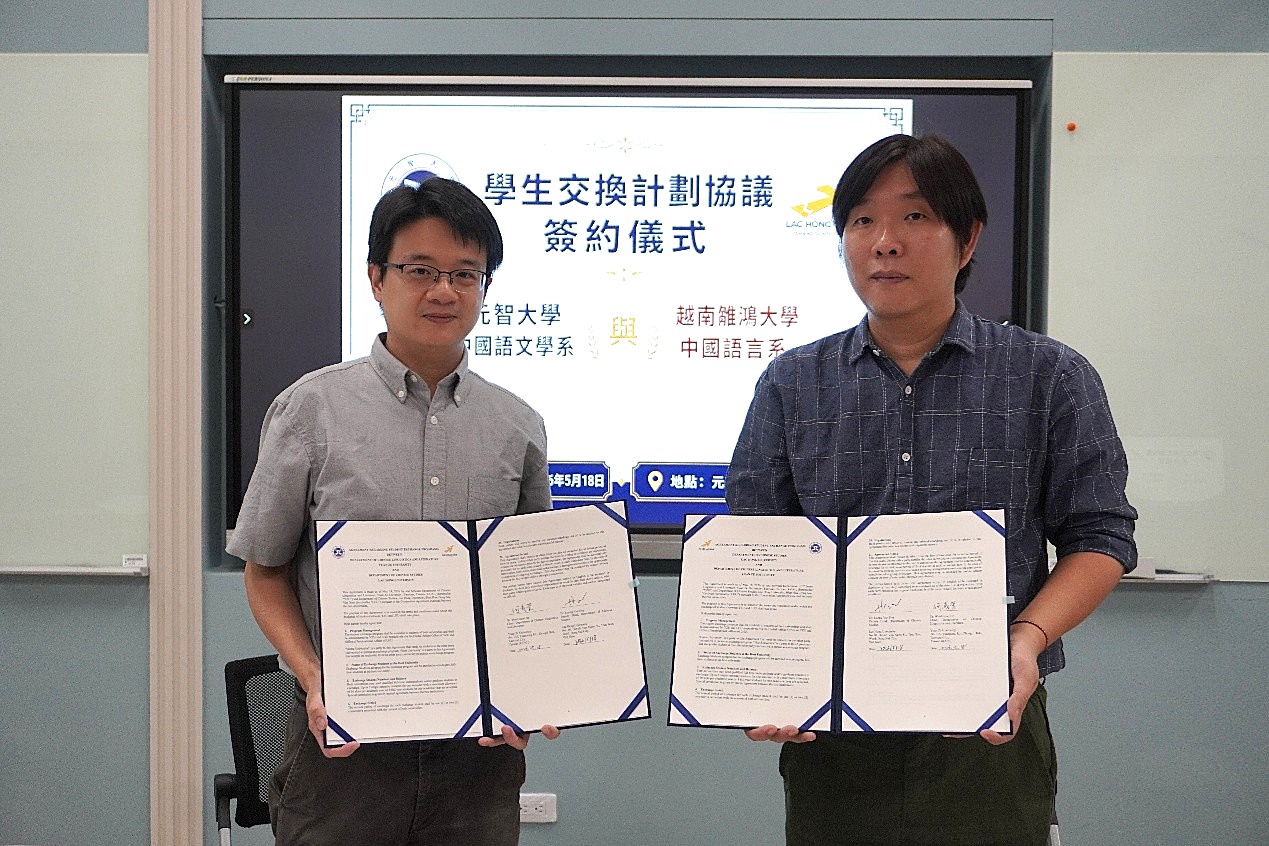
Notably, Huang Tien-Yung, Deputy Director of the Office of International Affairs at Lac Hong University, and Yun-Hui Liang, Deputy Director of the Department of Chinese Language, were specially invited to visit the exhibition. They provided feedback on student works and engaged in exchanges with participants. Both scholars recognized the students’ ability to integrate humanistic knowledge with technological tools and offered cross-cultural perspectives and insights into the development of international higher education, greatly benefiting the students.
It was understood that in recent years, Lac Hong University had achieved significant achievements in fields such as robotics and mechatronics engineering, pharmacy, information technology, and artificial intelligence. In 2024, it became one of the first universities in Vietnam and Southeast Asia to pass the AUN-QA 3.0 institutional-level accreditation, demonstrating a high level of internationalization in higher education.
The Department of Chinese Linguistics and Literature at Yuan Ze University stated that it would continue to promote practical project courses in the future, encouraging students to base their work on textual reading while integrating digital technology, creative thinking, and interdisciplinary collaboration. This approach would foster innovative dialogue among classical and modern, humanities and technology, and local and international contexts, demonstrating new possibilities for Chinese language education in the AI era.