 EN-US
EN-US  ZH
ZH 
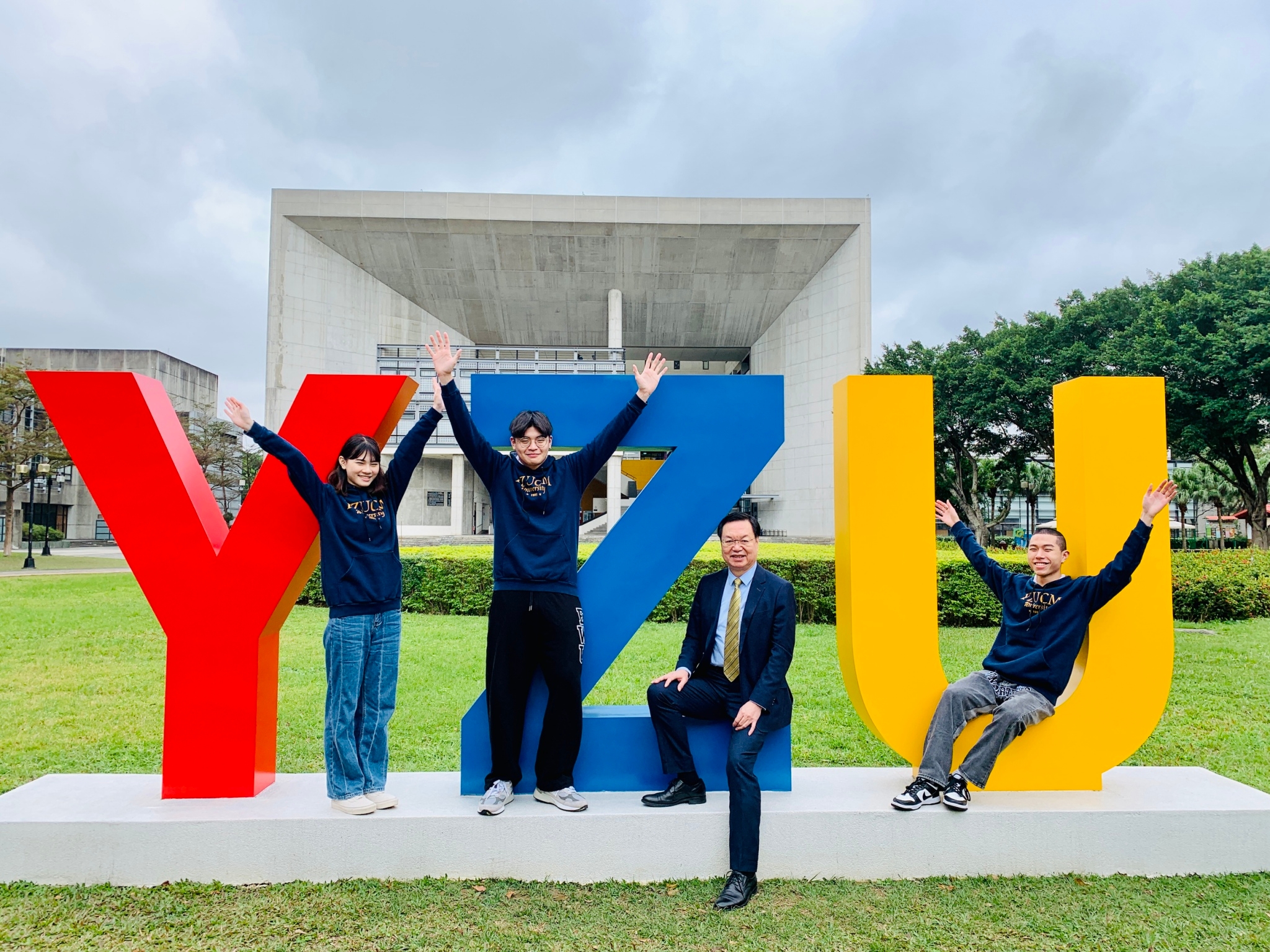
In response to global economic fluctuations and changes in the industrial environment, some students’ family incomes were affected. Yuan Ze University recently announced that it had comprehensively strengthened its student financial aid support system. Eligible students were able to receive up to NT$70,000 in financial assistance, helping them continue their studies with peace of mind and complete their education despite economic uncertainty.
Dean of Student Affairs Yi‑Chun Liu pointed out that the University adopted a “phased support” mechanism. When students faced short-term financial pressure, the University first provided NT$50,000 in emergency relief funds to help stabilize their studies. Subsequently, students who demonstrated strong academic performance or outstanding achievements were awarded an additional NT$20,000 Turning Point Incentive Grant. Through this linked design of “relief plus incentive,” the total support could reach NT$70,000, enabling students to keep moving forward in the face of adversity.
Yi‑Chun Liu noted that the University simultaneously promoted a comprehensive “Peace of Mind in Education for Economically Disadvantaged Students” support package, offering all-around assistance ranging from tuition reductions to academic counseling. In addition to cooperating with the Ministry of Education policies to provide private university students with up to NT$35,000 per academic year in tuition and miscellaneous fee reductions, the University also offered extra subsidies for economically disadvantaged students and integrated student loans and related measures to effectively reduce family financial burdens.
The University had long promoted institutionalized incentive-based learning measures, providing eligible students with monthly living allowances of NT$3,000 to NT$5,000. At the same time, it introduced the Ministry of Education’s pilot “Incentive Scholarship for Outstanding Economically Disadvantaged Students,” with monthly subsidies ranging from NT$8,000 to NT$10,000, helping students maintain stable enrollment. The University pointed out that the total amount of scholarships and grants provided each academic year had exceeded NT$130 million, demonstrating its strong commitment to student support.
In addition to financial assistance, the University also integrated resources such as student clubs, volunteer services, and career exploration programs to promote diversified learning mechanisms, while providing corresponding financial aid. This approach allowed students to achieve a balance between capacity building and economic support. The University observed that in recent years, some students, after evaluating their family's financial conditions and living costs, tended to choose universities closer to home with well-established financial aid systems. For example, students from low-income and lower-middle-income households who ranked within the top 50% of their class could receive monthly subsidies of NT$5,000 to NT$7,000, which provided substantial support for stable enrollment.
A student surnamed Lin, who was studying in the College of Management, said that he had previously considered attending a national university in another county or city. However, after weighing living costs and family financial burdens, he chose to enroll at Yuan Ze University. “The University’s comprehensive financial aid system helped reduce my pressure and allowed me to focus on my studies and participate in diverse activities,” he said.
Yi‑Chun Liu emphasized that higher education should not be limited by family economic conditions. Through the parallel implementation of long-term financial aid programs and immediate relief mechanisms, Yuan Ze University hoped that students could continue their studies with peace of mind, focus on learning, and pursue personal growth even amid external economic changes. Looking ahead, the University stated that it would continue to monitor global economic trends and student needs, regularly review and adjust its financial aid policies, and ensure that students could study with confidence while developing the key competencies required for future societal and industrial development.