 EN-US
EN-US  ZH
ZH 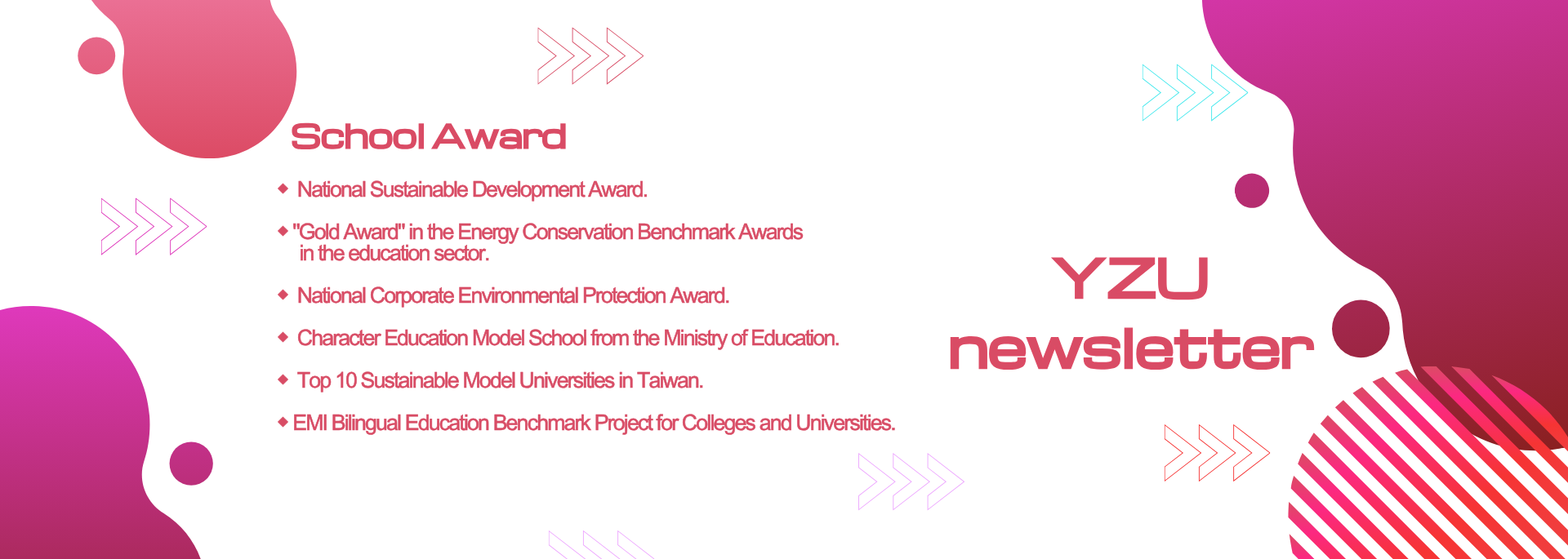
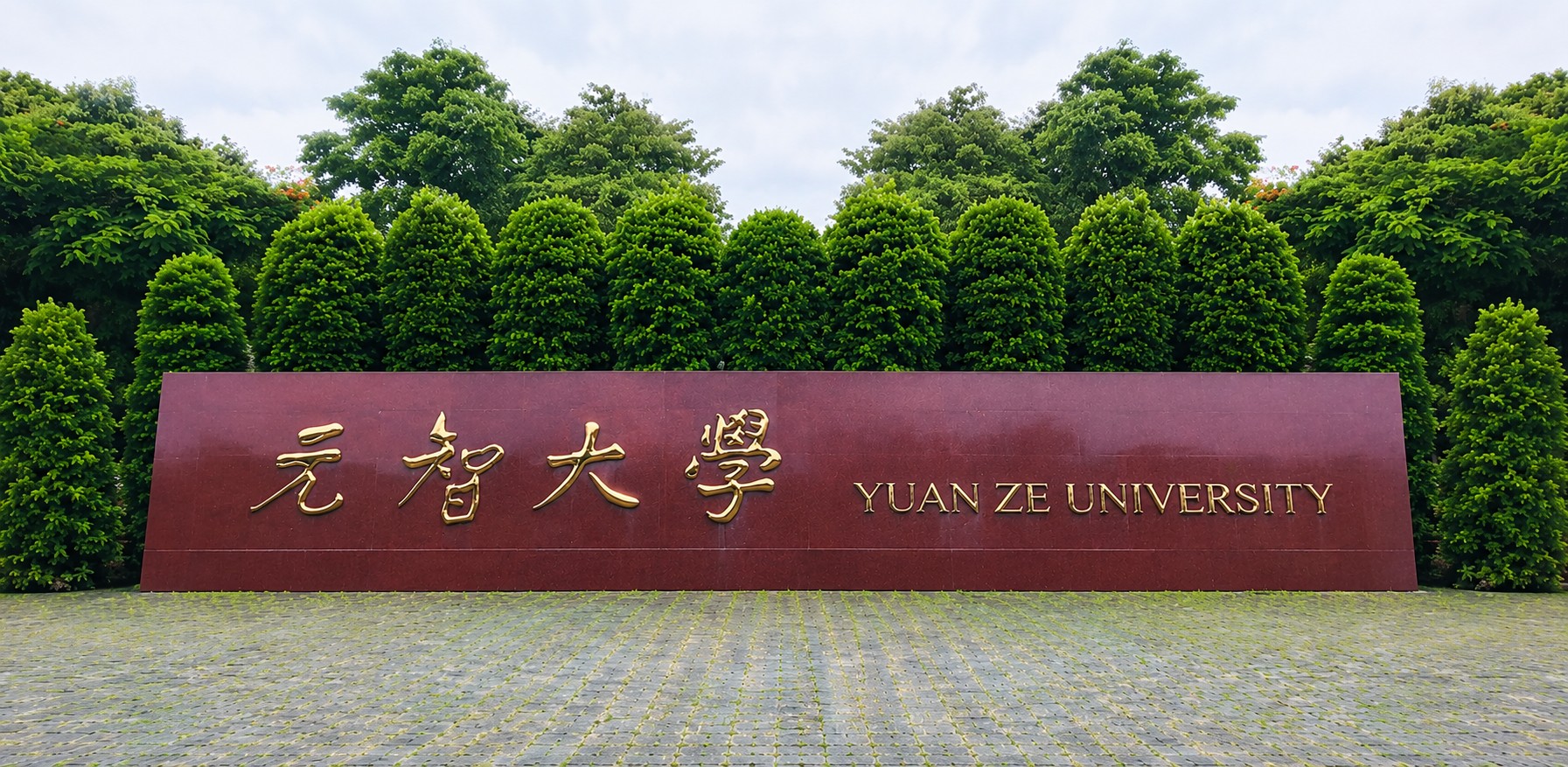
Times Higher Education (THE) of the United Kingdom announced the “THE Sustainability Impact Ratings 2026” on June 24, 2026. Yuan Ze University had significantly advanced to the global 101–200 band and had been ranked fifth nationwide, demonstrating its solid achievements in promoting sustainable campus governance, SDGs education and research, and industry–academia practice in recent years.
Since 2019, THE had used the 17 United Nations Sustainable Development Goals (SDGs) as its framework to evaluate universities’ impacts on society, the environment, and the economy. In 2026, the ranking was transformed into the “Sustainability Impact Ratings,” with strengthened membership mechanisms, data verification, and evaluation processes. A total of 1,646 universities from 116 countries and regions had been included in this year’s assessment, making it an important indicator of sustainability performance in global higher education.
In recent years, Yuan Ze University has continued to advance in the field of sustainable development and has received recognitions such as the Energy Conservation Benchmark Gold Award from the Ministry of Economic Affairs, the National Sustainable Development Award, and inclusion among Taiwan’s Top Ten Sustainable Model Universities. Its performance in THE sustainability impact evaluation had also risen steadily, reaching the 101–200 band this year and achieving the best result in the university’s history.
Located in Taoyuan, Yuan Ze University was founded by the Far Eastern Group and had long upheld the spirit of promoting education through enterprise. By integrating strengths in engineering technology, AI applications, sustainable governance, and industry–academia collaboration, the university had promoted sustainable transformation from campus to industry. It had continued to deepen the integration of SDGs into curricula, research, and university governance, while collaborating with international technology companies such as Microsoft, Google, and Amazon Web Services, as well as partners in the semiconductor and manufacturing industries including TSMC, Delta Electronics, Zhen Ding Technology, Unimicron, and ASE. These efforts had cultivated talents in AI, cloud computing, smart manufacturing, and digital transformation. Recently, the university had also assisted Far Eastern New Century in advancing smart manufacturing, further expanding the impact of industry–academia sustainability initiatives.
President Ching-Jung Liao had stated that Yuan Ze University’s rise to the global 101–200 band represented recognition from the international community of its achievements in sustainable development. He emphasized that sustainability was not only about energy conservation and carbon reduction on campus, but also about a university’s responsibility for future-oriented education and its commitment to society. Yuan Ze University would continue to focus on AI, semiconductors, smart manufacturing, and internationalization as its core strengths, deepen sustainable development in education, research, industry–academia collaboration, and university governance, and cultivate talents with both professional expertise and sustainability literacy, contributing greater efforts to Taiwan’s industrial upgrading and global sustainable development.