 EN-US
EN-US  ZH
ZH 
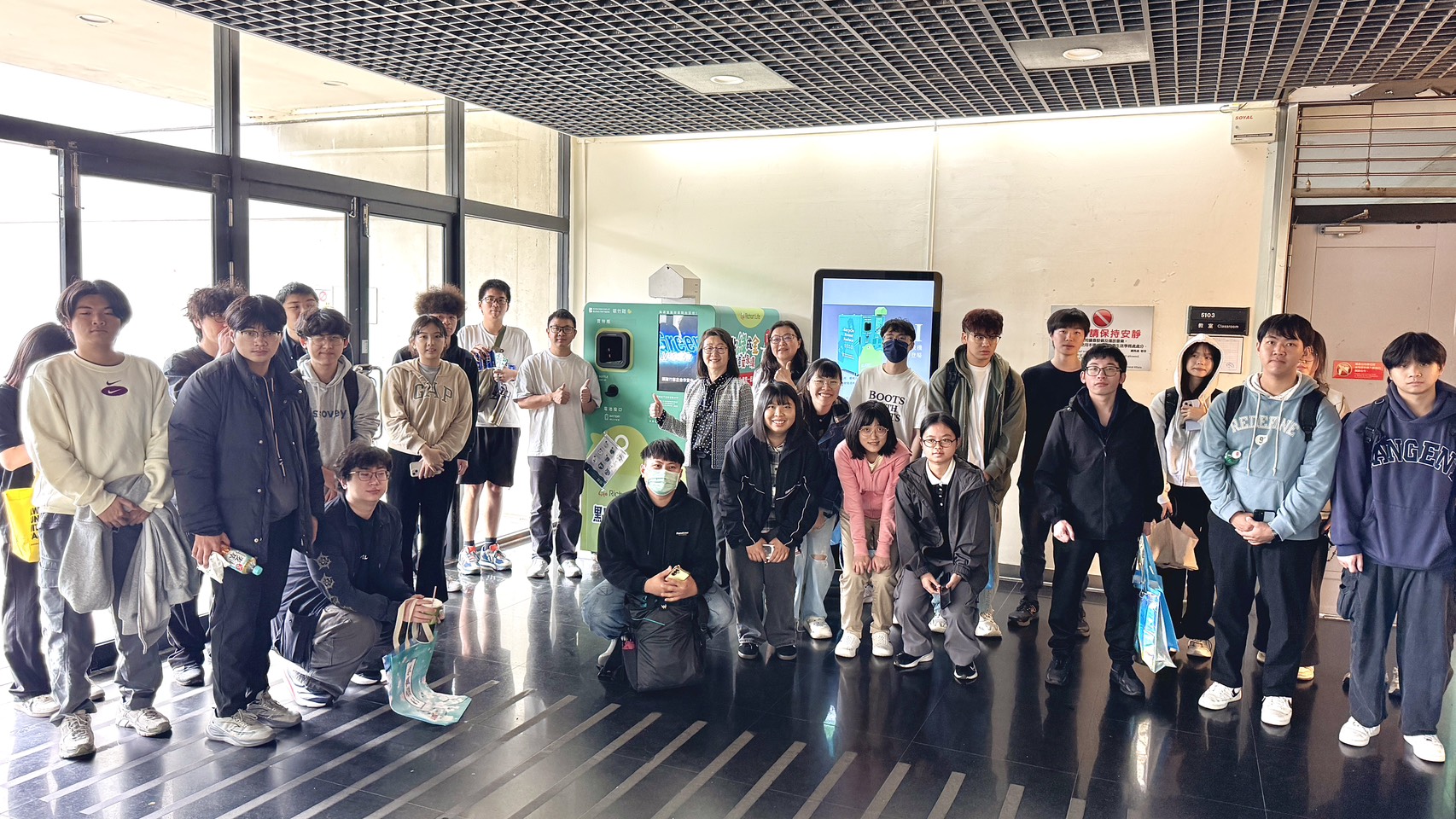
Yuan Ze University actively promoted a sustainable campus by introducing another smart initiative. The University installed AI-powered smart recycling machines that transformed the everyday act of disposing plastic bottles into recordable and accumulative low-carbon actions. Through technological applications, the initiative implemented circular economy practices and established a new model of a smart campus that integrated innovation with environmental sustainability.
Vice President Chiu-Ling Lu stated that the University had long been committed to building a sustainable campus by continuously incorporating innovative technologies into energy management, smart applications, and environmental education. The installation of AI smart recycling machines not only effectively improved recycling efficiency but also carried significant educational value, enabling students to practice circular economy concepts and net-zero principles in their daily lives. The smart recycling machines were not merely standalone devices, but important tools for integrating sustainability into everyday practices. When recycling became convenient and incentive-based, student participation was further encouraged, allowing environmental awareness to be transformed into tangible actions rather than remaining a concept.
The newly introduced smart recycling machines integrated AI image recognition and data analysis technologies to automatically identify recyclable items. At present, the system supported the recycling of plastic bottles and used batteries and featured compression functions to effectively reduce incorrect disposal. This significantly enhanced sorting accuracy and resource reutilization efficiency. With a more intuitive and user-friendly operation process, the initiative further increased participation among faculty and students.
In terms of data application, the system was integrated with a digital platform that converted recycling behaviors into quantifiable carbon reduction data. The platform was also connected with the “Carbon Bamboo Chicken App” and the iPASS system, providing point rewards and promotional incentives. Through this mechanism, users were able to establish a personalized “low-carbon behavior profile,” making environmental actions visible, sustainable, and continuously motivating.
Lu emphasized that net-zero goals were not unattainable but began with every simple act of recycling. In the future, the University would continue to optimize equipment operations and promotional mechanisms, while integrating the initiative with courses and outreach activities to deepen faculty and student engagement. Step by step, Yuan Ze University aimed to create a low-carbon, smart, and educationally valuable sustainable campus environment.
This project was jointly promoted by Yuan Ze University, Hefeng Optoelectronics Co., Ltd., and Taishin Bank. Hefeng Optoelectronics provided the equipment and system integration, while Taishin Bank supported the project through corporate social responsibility initiatives. Together, the partners successfully introduced the smart recycling system to campus, showcasing a strong example of industry–academia collaboration in advancing sustainable development.