 EN-US
EN-US  ZH
ZH 
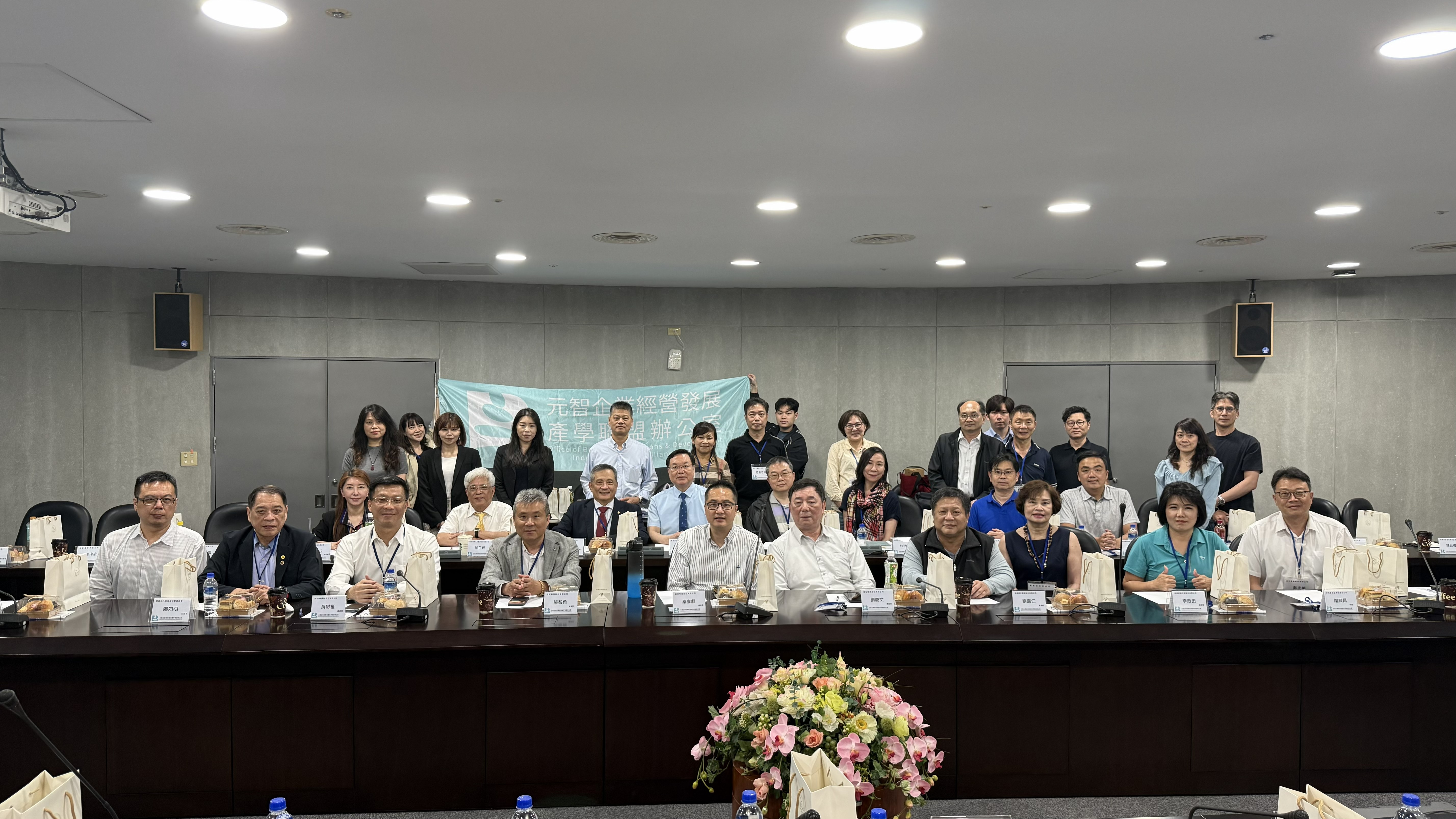
Amid the restructuring of global supply chains and the accelerated transformation of European markets, Taiwanese enterprises were actively seeking new opportunities for international expansion. The Industry–Academia Alliance for Business Administration Development, Yuan Ze University, held a corporate and policy lecture on April 10, inviting Ambassador Xin-Ying Li to deliver a talk titled “From Diplomatic Experience to Business Practice.”
Drawing on his first-hand diplomatic experience, he shared insights and analyzed strategies and practical opportunities for Taiwanese companies seeking to expand into the Italian market. The event attracted enthusiastic participation from representatives of academia, industry, and the business sector.
Ambassador Xin-Ying Li pointed out that Italy, as a member of the Group of Seven (G7) and the second-largest manufacturing hub in Europe, possessed strong competitiveness in high-end manufacturing, machinery and equipment, design innovation, and the fashion industry. These strengths were highly complementary to Taiwan’s semiconductor and electronics manufacturing sectors. He emphasized that Italy was not merely a single market, but also a key gateway to the European Union. Through local deployment, enterprises could further expand into the broader European market of approximately 450 million people.
From a practical perspective, Xin-Ying Li noted that approximately 18 Taiwanese listed and over-the-counter companies had already established operations in Italy, spanning industries such as semiconductors, machinery, biotechnology, and aerospace. Cumulative investment was estimated at around €1.8 to €2.1 billion, indicating that the potential of the Italian market had been increasingly recognized. He also observed that tourism and related service industries demonstrated considerable growth potential and were worthy of further attention from enterprises.
When addressing cross-cultural business operations, Xin-Ying Li stressed that “building trust” was the key factor. He explained that Italian business culture placed great importance on interpersonal relationships, and that corporate partnerships often required long-term interaction and face-to-face communication to accumulate trust. In comparison, relying solely on written correspondence made it difficult to establish deep cooperative relationships. Furthermore, companies that cultivated talent with Italian language proficiency were better positioned to enhance communication efficiency and accelerate market expansion.
Regarding market entry strategies, he recommended that enterprises adopt a gradual and step-by-step approach. This included establishing local partners, actively participating in international exhibitions, and strengthening brand image and market visibility. Such measures would help companies steadily deepen their presence in the European market, lower entry barriers, and enhance operational stability.
During the Q&A session, participating enterprises raised questions on development prospects in areas such as semiconductor equipment, medical biotechnology, and geothermal energy. Xin-Ying Li responded that the Taipei–Italy Chamber of Commerce and the Taiwan Marco Polo Business Consulting Company, both under his leadership, had long been dedicated to promoting cooperation between Taiwanese and Italian enterprises. At present, Italian medical biotechnology companies were also seeking to establish strategic alliances with Taiwanese partners. He stated that existing resources would continue to be leveraged to facilitate business matchmaking and expand international business opportunities.
At the conclusion of the event, Bo-Chien Li, Chief Executive Officer of the alliance, stated that the industry–academia alliance would continue to serve as a bridge between enterprises and international business platforms. The alliance would assist member companies in establishing cooperative links with relevant organizations, promote resource integration and international connectivity, and share information on activities and business opportunities from the Taipei–Italy Chamber of Commerce to help enterprises stay attuned to global market trends.
The lecture not only provided first-hand market insights, but also opened practical pathways for Taiwanese enterprises to enter the European market. In a global landscape where competition and cooperation coexisted, building trust, deepening collaboration, and strengthening international connections had become critical keys for enterprises advancing onto the global stage.