 EN-US
EN-US  ZH
ZH 
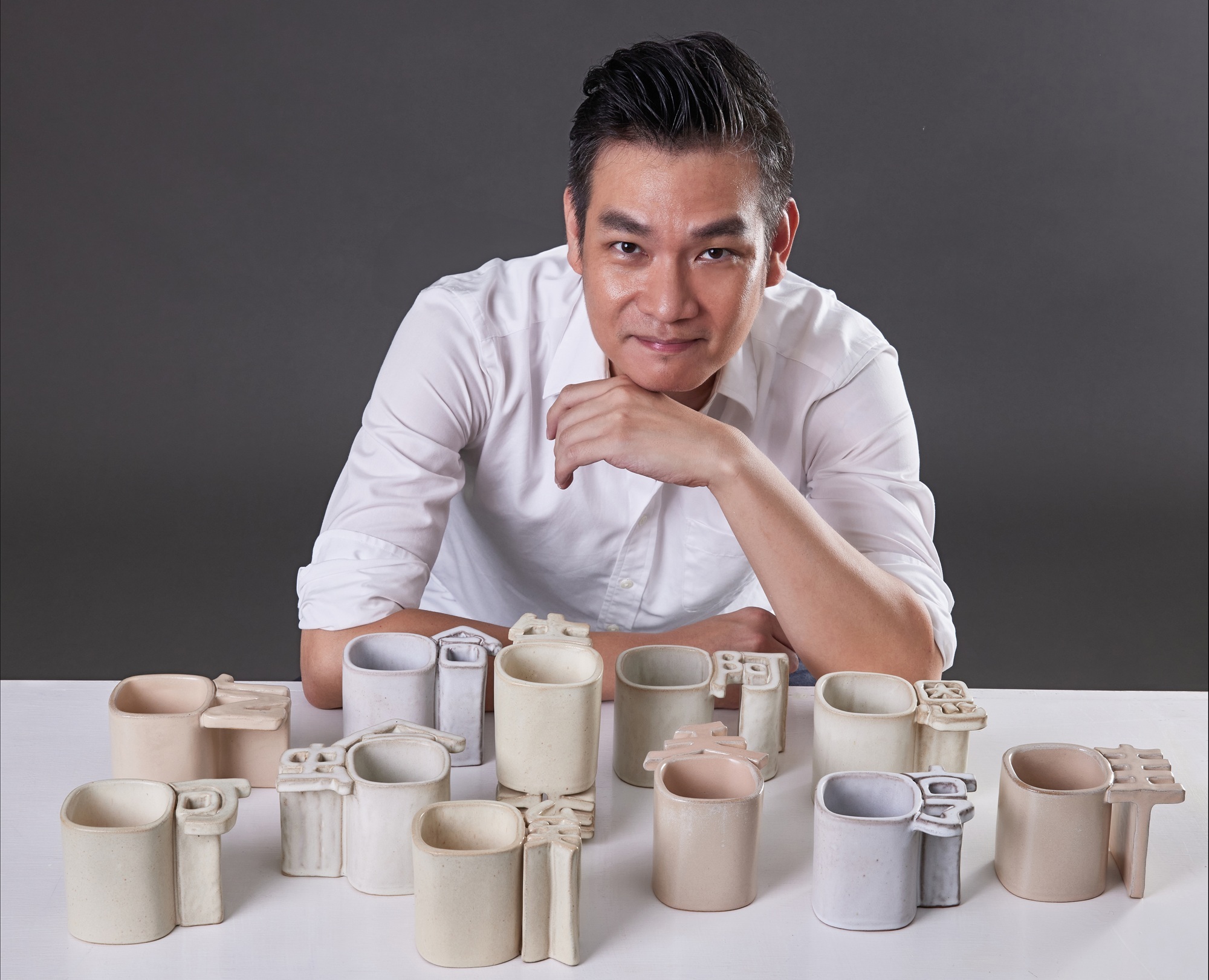
Yen-Chang Chen, a faculty member of the Department of Information Communication, Yuan Ze University, recently received the Golden A’ Design Award in the category of Advertising, Marketing, and Communication Design at the A’ Design Award & Competition in Italy for his work The Kaobei.
Following his earlier achievement of the highest quarterly honor from the World Front Design Award (WFDA) in the United Kingdom, the project once again gained international recognition on the global design stage, demonstrating the international competitiveness of Yuan Ze University’s Information Communication discipline in integrating the Taiwanese cultural context with design creativity.
The A’ Design Award & Competition in Italy was an international design award covering a wide range of fields, including industrial design, product design, packaging design, architecture, interior design, and communication design. The award aimed to promote outstanding design and innovative concepts and had long maintained exchanges and collaborations with various international design organizations and communities, including the International Council of Design (ICoD) and the Bureau of European Design Associations (BEDA), giving it significant visibility and influence in the global design arena.
The award-winning project The Kaobei centered on everyday Taiwanese language culture and social media communication phenomena. It transformed emotionally expressive phrases commonly used by the internet generation into ceramic designs rich in interactivity and cultural meaning. More than just a cup, the work functioned as a shareable cultural communication interface, reinterpreting the social function and cultural memory of the vernacular Taiwanese language in the digital age through humor, contrast, and emotional resonance.
Chen noted that the Kaobei project had also been practically applied in social media marketing and cultural promotion initiatives in collaboration with the New Taipei City Government Department of Cultural Affairs and three major museums. Through social media content, cultural merchandise, and interactive communication formats, the project attracted younger generations to engage with cultural issues and museum spaces. By reconnecting the public with cultural venues through contemporary internet language, the project transformed museum communication—often perceived as distant—into a more relatable and shareable cultural experience.
Chen further explained that the core of The Kaobei project was not merely product design, but an attempt to translate the emotional language commonly found in Taiwanese social media and everyday life into a cultural medium that could be seen, shared, and interacted with. By integrating design with social communication, the project explored how language could function as a cultural interface, while also rethinking innovative ways for local culture to communicate in the digital era.
The Kaobei project also reflected the Department of Information Communication at Yuan Ze University’s recent emphasis on interdisciplinary innovation and cultural communication. By combining design, social media, cultural studies, and creative thinking, the project explored new relationships between contemporary communication forms and local culture. Through social sharing and public discussion, the work garnered widespread attention and showcased the unique charm and innovative potential of Taiwan’s local cultural context on the international design stage.