 EN-US
EN-US  ZH
ZH 

To help students from economically or culturally disadvantaged backgrounds achieve a better balance between academic study and daily life, Yuan Ze University implemented the “Enhanced Academic Learning Support for Professional Courses” initiative. Through institutionalized learning support and diversified capacity‑building measures, the University established a comprehensive learning framework ranging from foundational reinforcement to advanced professional development.
The initiative aimed to enable students to replace part‑time work with structured learning, thereby improving academic performance and strengthening career competitiveness. The program was supported by the Ministry of Education’s Higher Education Sprout Project and the Hsu Yuan‑Tzeh Foundation, and integrated resources from academic affairs, student affairs, and colleges across the University to progressively build a robust learning support network.
Yuan Ze University stated that the initiative was guided by three core principles: learning‑oriented support, peer‑assisted co‑learning, and outcome‑based development. Multi‑level assistance was provided in response to diverse learning needs, including course tutoring, thematic study groups, peer learning partnerships, professional certification training, interdisciplinary programs, and off‑campus internships. Through these pathways, students were supported in strengthening basic competencies and advancing professional skills, gradually accumulating both academic achievements and career readiness.
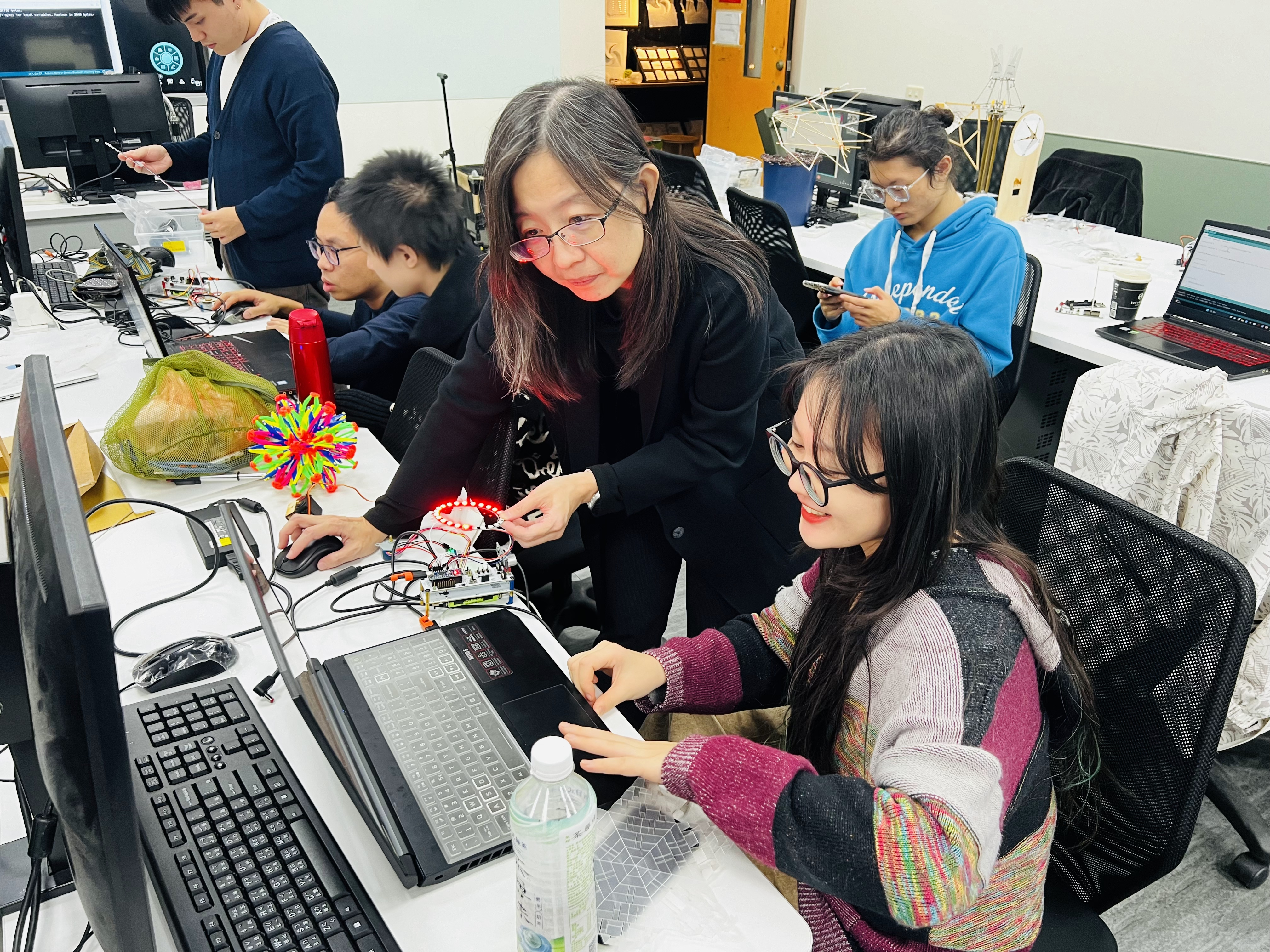
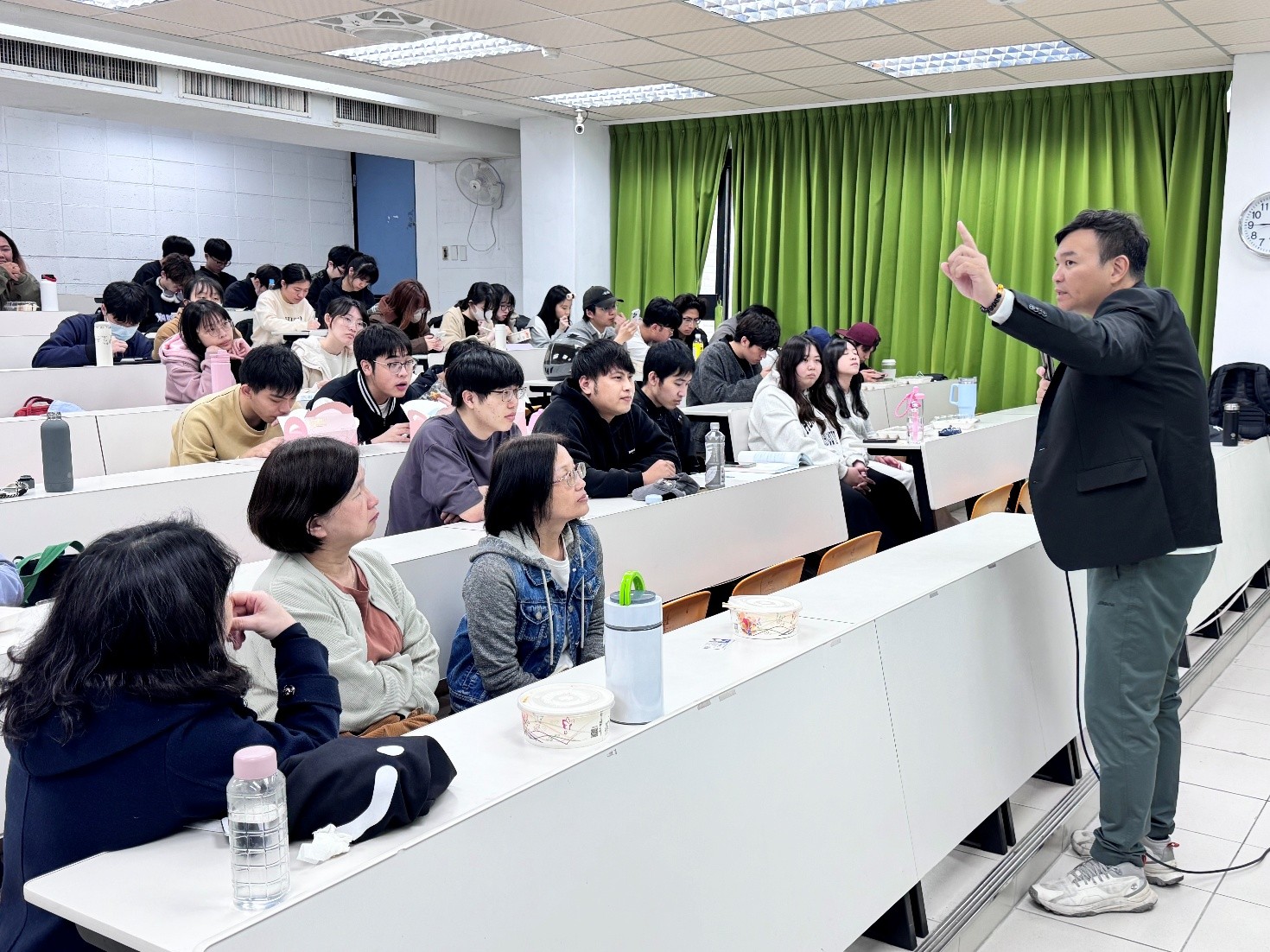
In terms of academic tutoring, the University identified learning challenges through surveys and academic performance analysis, and designed targeted course tutoring and micro‑courses. These included foundational programming, Excel and VBA applications, and TOEIC test‑taking strategies. Experienced faculty members and high‑achieving senior students served as teaching assistants. Students were able to enroll flexibly based on their needs, forming a continuous learning cycle of remediation, capacity building, and advancement. Over the past seven years, more than 700 tutoring courses have been offered, benefiting over 30,000 students. Data showed that participating students achieved significantly greater academic improvement than non‑participants, with overall satisfaction exceeding 96 percent.
To cultivate a culture of mutual learning, the University simultaneously promoted peer‑assisted tutoring programs and thematic study groups. In the peer‑assisted model, senior undergraduate students or graduate students ranking in the top 30 percent academically served as group leaders, guiding junior students in key subjects. Thematic study groups encouraged students to form learning communities based on shared interests, fostering critical thinking and communication skills through collaborative reading and discussion. Surveys indicated satisfaction scores of 4.96 and 4.69 out of 5, respectively, demonstrating that co‑learning had gradually become an integral part of campus learning culture.
In addition, the initiative introduced a range of incentives and scholarship mechanisms to encourage continuous student development. These included academic improvement awards, outstanding teaching assistant awards, subsidies for professional certification examinations, and grants for interdisciplinary programs. The University also established a registry of 129 professional certifications, expanding to include mechanical engineering certifications as well as cloud computing and AI‑related credentials, encouraging students to acquire industry‑aligned competencies. In recent years, the number of students applying for certification incentives has increased steadily, reflecting enhanced professional capability and career preparedness.
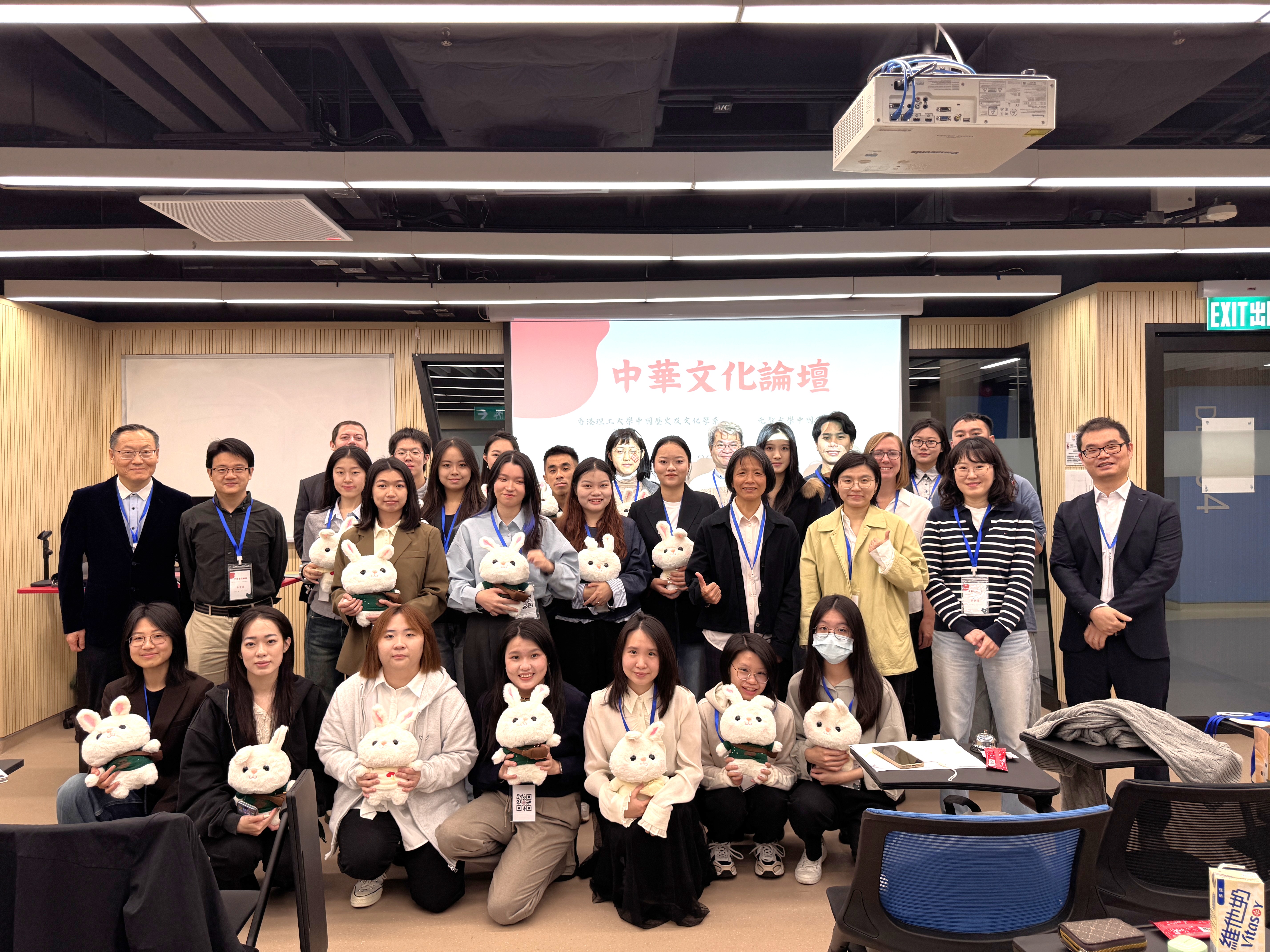
Concerning industry linkage, Yuan Ze University promoted interdisciplinary credit programs and an off‑campus internship scholarship scheme. Students were encouraged to pursue cross‑college programs such as AI and Sustainable Design, Smart Manufacturing Management, and Digital Marketing and Cultural Creativity, thereby strengthening interdisciplinary competencies. For students facing financial challenges, the University provided internship scholarships of up to NT$20,000, supporting participation in domestic and international internships, alleviating the financial burden of unpaid placements, and enabling the accumulation of practical experience.
The University emphasized that the initiative relied on data‑driven outcome tracking and continuous institutional optimization. According to statistics from the 2025 academic year, total participation reached 3,483 student instances, with overall satisfaction at 96.3 percent. The most significant outcomes were observed in increased learning motivation and extended study time, while more than 20 percent of participants achieved average grade improvements of over three points per semester.
Notably, many students who had previously received support later returned as teaching assistants or peer‑learning leaders, sharing their experiences with younger students and forming a positive cycle of being supported, becoming self‑reliant, and supporting others. Yuan Ze University stated that the Enhanced Academic Learning Support initiative was not merely a learning assistance program, but a co‑learning and co‑growth educational culture.
Through this initiative, the University progressively cultivated students’ six core competencies: Academic Competence, Professional Competence, Social Competence, Leadership Competence, Global Competence, and Practical Skills. Yuan Ze University expressed its commitment to nurturing “archetype talents” equipped with professional expertise, international perspectives, and social responsibility through systematic learning support, enabling students to remain competitive in a globalized environment while becoming responsible global citizens who contribute to society.