 EN-US
EN-US  ZH
ZH 
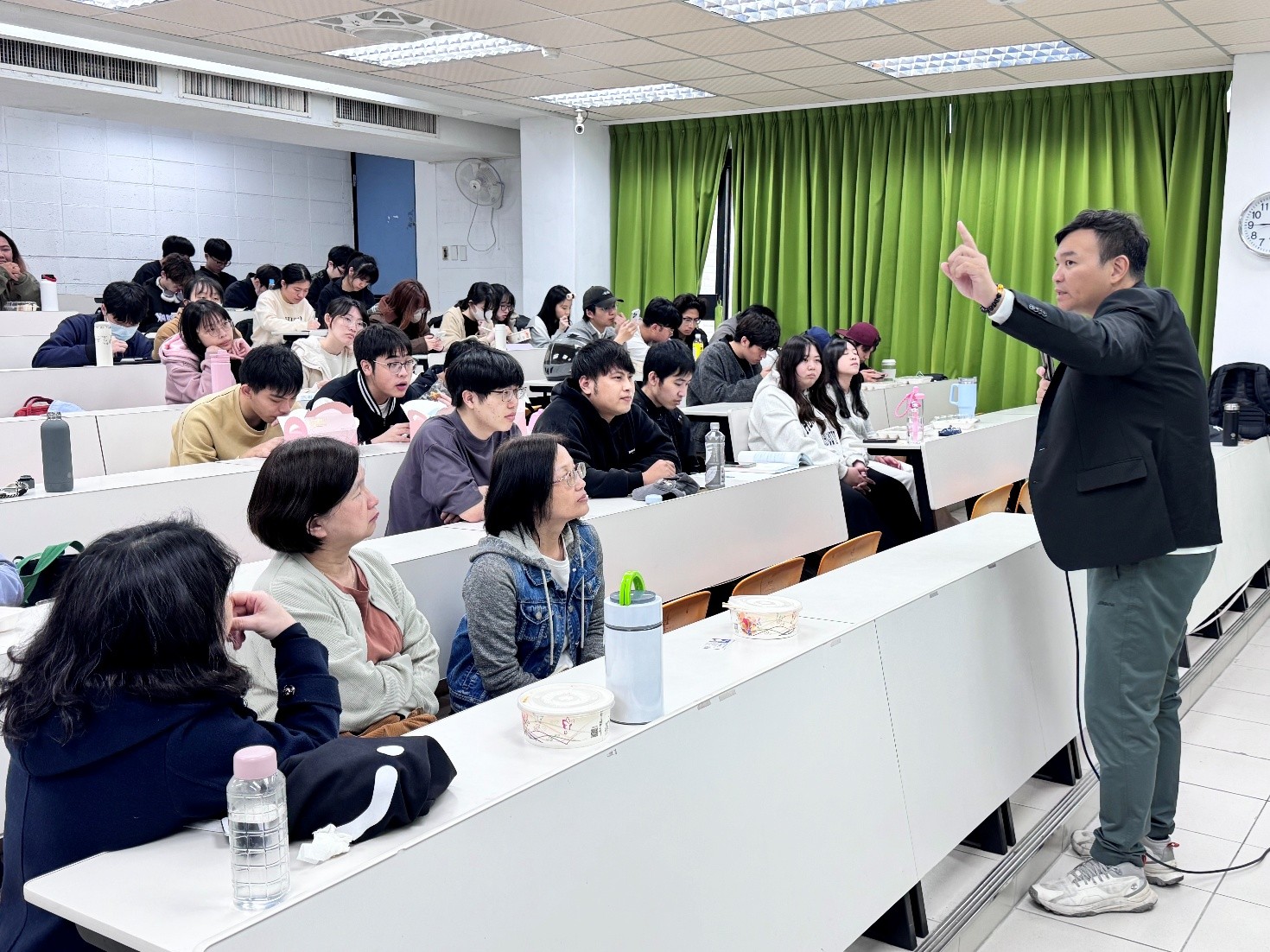
In response to global challenges such as climate change and resource depletion, Yuan Ze University actively promoted circular economy education. On March 19, the course “Global Sustainable Development,” offered by Hsin‑Hung Chen, Director of the International Language and Culture Center, Yuan Ze University, invited Wei‑Cheng Chen, one of Taiwan’s Ten Outstanding Young Persons and founder of the social enterprise REWOOD – Wood Vinegar Expert, to campus for an exchange.
By combining hands‑on coursework with a public lecture, the event guided faculty members and students to gain in‑depth insights into innovative business models of waste wood regeneration, and formally launched the University’s “Sustainable Living Laboratory” initiative.
The morning session departed from traditional lecture‑based teaching. Under the guidance of Director Chen, students first identified sustainability pain points within the campus environment, including the handling of pruned branches and the need for cleaning and deodorization in specific areas. Students were encouraged to take on the role of “campus sustainability consultants,” analyzing real‑world scenarios and proposing practical solutions. Wei‑Cheng Chen then provided direct guidance, responding to student questions and explaining how REWOOD utilized high‑temperature carbonization technologies to transform otherwise discarded pruning waste into wood vinegar, biochar, and cultural‑creative products. His examples concretely demonstrated viable pathways that integrated circular economy principles with social innovation. He also encouraged students to begin with a single tree on campus, imagining creative reuse solutions for pruned branches and embedding sustainability concepts into everyday life.
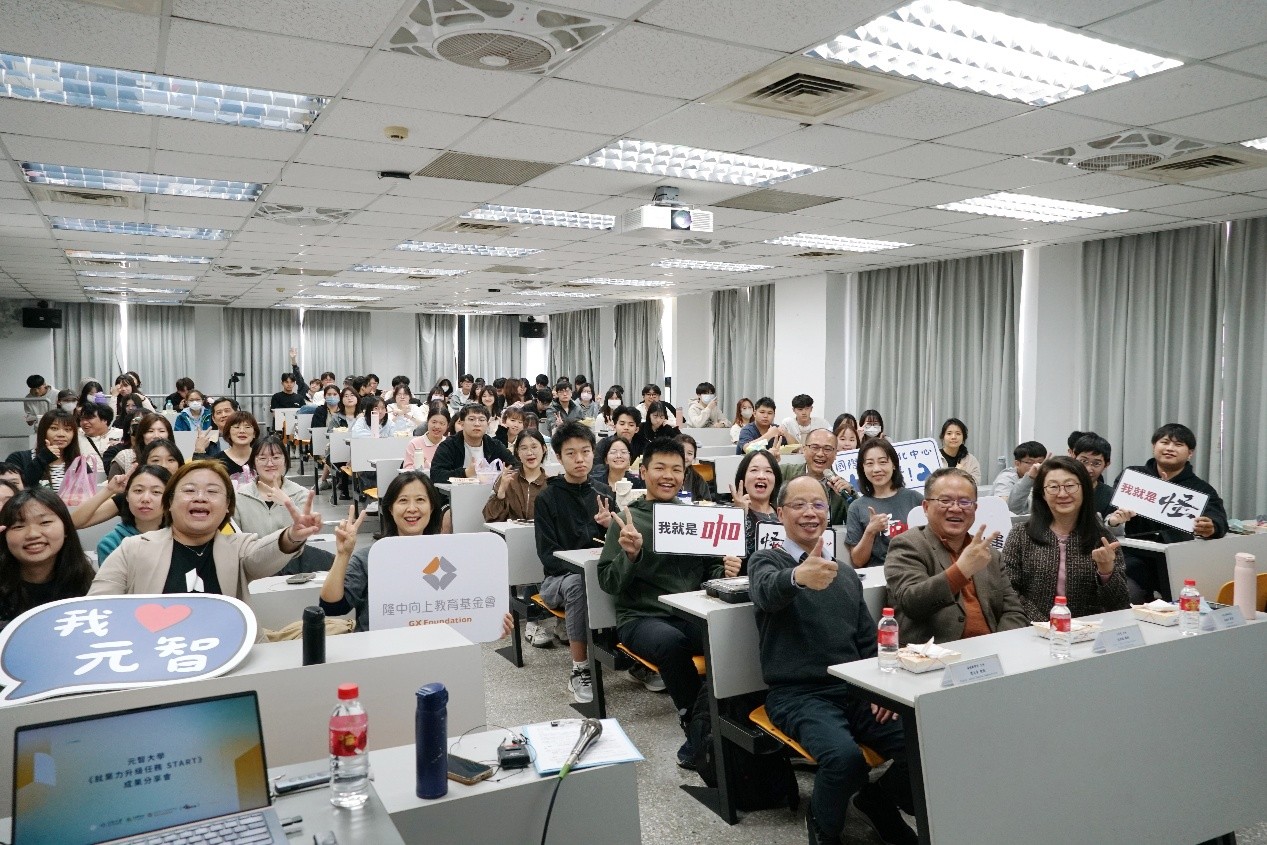
The Sustainability Lecture held at noon attracted enthusiastic participation from faculty members and students. Under the theme “REWOOD Innovation: Balancing Sustainability and Profitability,” Wei‑Cheng Chen shared the challenges and transformations encountered throughout his entrepreneurial journey. He emphasized that social enterprises could not rely solely on ideals or passion, but must establish business models that balance environmental responsibility with economic viability in order to achieve long‑term sustainability. Even amid tensions between financial pressures and core values, he stressed the importance of remaining true to one’s original mission—doing the right thing while doing things right. During the lecture, he also issued a campus‑wide call to action, encouraging the effective use of on‑campus tree resources to create a zero‑waste circular system, transforming waste wood into furniture, cleaning products, and artistic installations to realize resource regeneration.
Beyond deepening awareness of sustainability issues, the event also opened new opportunities for industry–academia collaboration. Director Chen noted that Yuan Ze University was actively planning to further strengthen cooperation with REWOOD. In the future, campus pruning waste could potentially be recycled and regenerated through professional technologies, transformed into natural cleaning agents or commemorative recycled wood products, allowing circular resource practices to be implemented directly on campus.
Director Chen emphasized that sustainability was not an abstract or distant concept, but one that began with everyday choices. Through innovative course design and dialogue with industry practitioners, the University aimed to root circular economy concepts within campus culture, cultivating students’ practical capabilities to address complex challenges and nurturing sustainability talents equipped with both professional expertise and a strong sense of social responsibility.